
From Restoration to Resilience: Why Broughton Sanctuary Signals a New Era for Nature Finance
This article explores how Broughton Sanctuary is pioneering a new model for landscape-scale nature recovery, combining ecological restoration, private investment and risk management to help natural capital markets mature and how insurance placed by the GaiaSicura team played a small yet crucial role in its setup.
Environmental Professional Indemnity (EPI) Insurance Blog Series - Part One of Three.
Summary
The UK's natural capital sector has reached an important milestone.
Broughton Sanctuary, a 1,100-hectare estate in North Yorkshire, has secured investment from natural capital asset management firm Rebalance Earth to support one of the country's most ambitious landscape restoration programs. The project is an exciting demonstration of how nature recovery can attract private investment and deliver long-term environmental and societal benefits.
For GaiaSicura, the project also marked another important first. We placed our first bespoke Environmental Professional Indemnity (EPI) insurance policy (more information to follow) as part of our upcoming commercial risk transfer solutions for nature set, helping establish the risk management foundations needed to support investment into natural capital assets.
Together, the partnership highlights a growing reality: restoring nature is no longer viewed solely as an environmental challenge. Increasingly, it is becoming an economic opportunity.
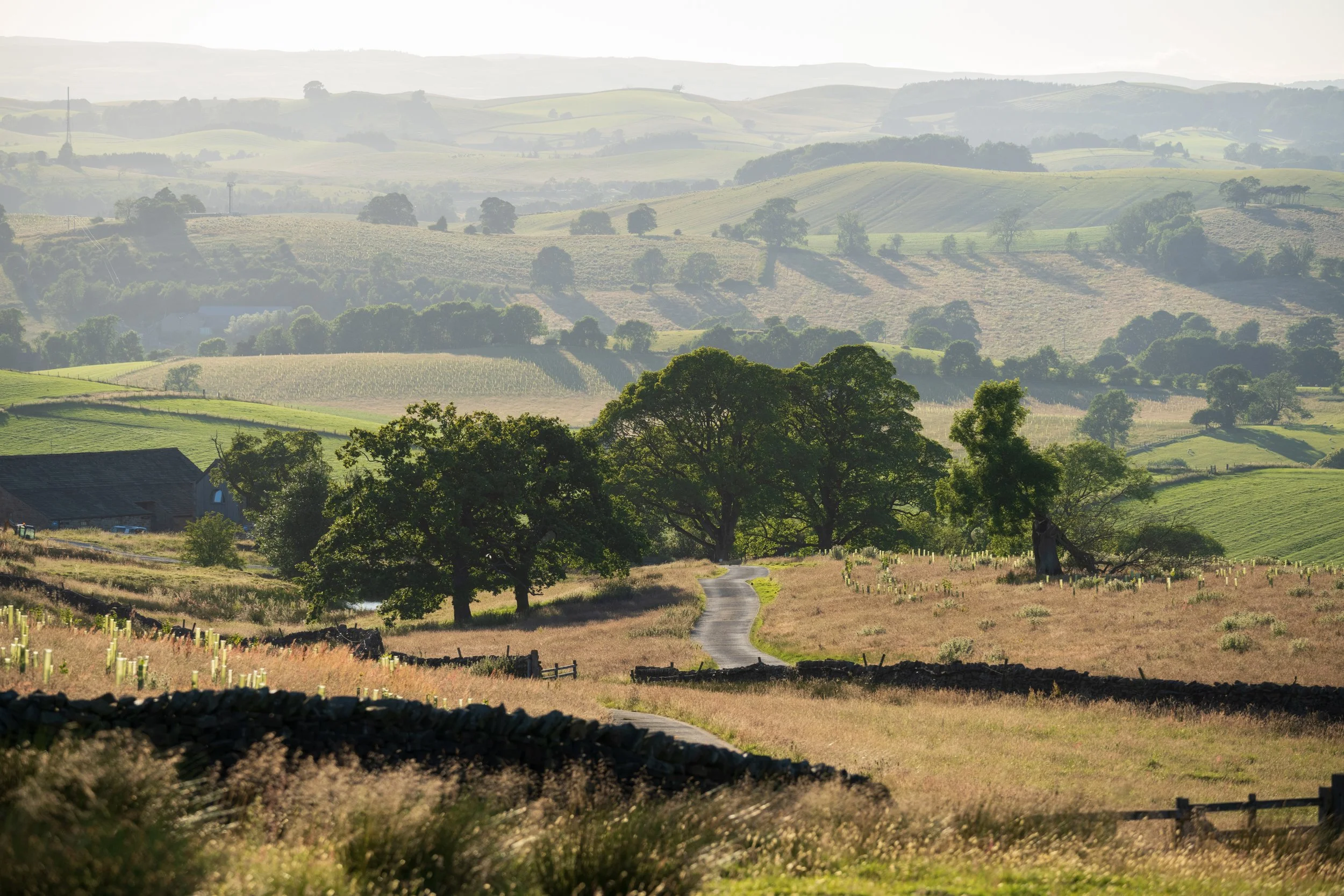
Broughton Sanctuary Landscape. Credit: broughtonsanctuary.co.uk Simon Jauncey
The future of nature recovery
One of the reasons Broughton has attracted so much attention is that it offers a glimpse of what the future of nature recovery could look like.
Historically, landscape restoration has relied heavily on grants, philanthropy, and public funding. While these remain important, achieving nature recovery at the scale needed across the UK will require significantly larger pools of private capital.
That means creating projects that are not only ecologically credible, but investable.
Broughton is emerging as one of the UK's most important examples of how this can work in practice: combining ecological ambition, long-term land stewardship, innovative finance and measurable environmental outcomes within a single landscape.
A landscape in transition
It is easy to see why Broughton has become one of the UK's flagship nature recovery projects.
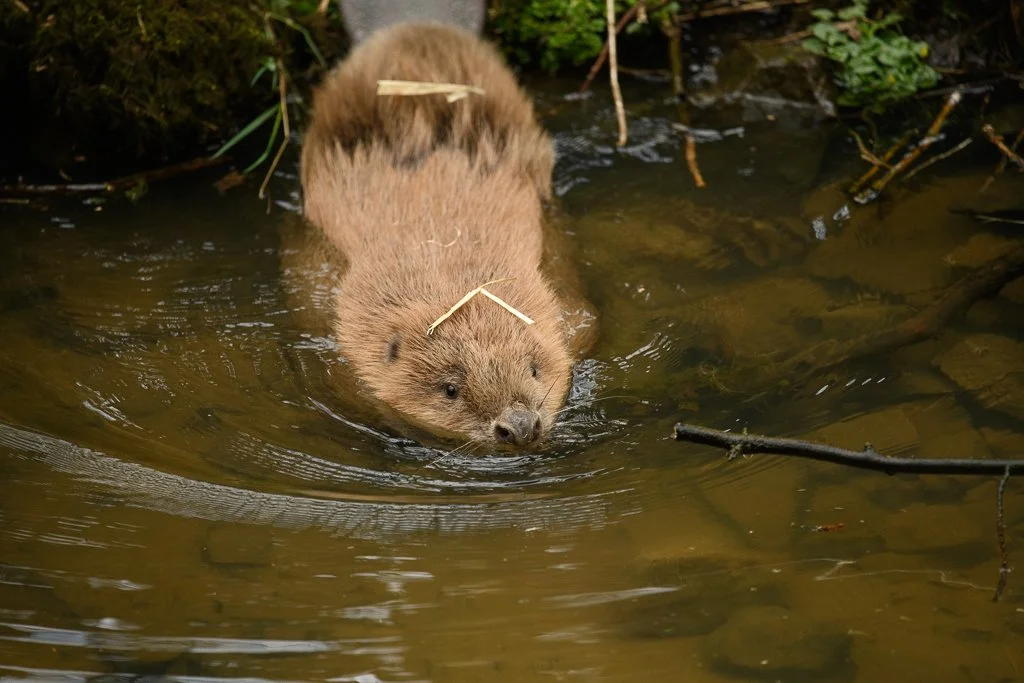
Over recent years, the estate has transformed former grazing land into a mosaic of woodlands, wetlands, species-rich grasslands and restored habitats. More than 330,000 trees have been planted, beavers have returned to the landscape, and native wildlife is beginning to recover alongside natural ecological processes.
The next phase of restoration will extend across approximately two-thirds of the estate, supported by investment from Rebalance Earth.
The project reflects a broader shift taking place across the UK. Landowners are increasingly exploring how landscape-scale restoration can generate environmental benefits while creating long-term value through voluntary nature credits, carbon sequestration, and wider ecosystem services.
Broughton demonstrates what becomes possible when land ownership, ecological expertise, and investment capital align around a shared vision.


Nature as critical infrastructure
Rebalance Earth's approach is built around a simple but powerful idea: nature is infrastructure.
Healthy ecosystems regulate water, reduce flood risk, store carbon, support biodiversity, and build resilience to climate change. These services underpin communities, businesses, and economies in much the same way as roads, energy networks, and other forms of infrastructure.
Broughton Sanctuary is becoming a compelling example of this concept in practice.
The restoration program expects to generate biodiversity net gain units, voluntary nature credits, carbon sequestration benefits, and broader ecosystem improvements. Through the work of CreditNature, these environmental outcomes are being measured and structured in ways that investors can understand and support, fulfilling one of the most vital market foundations for natural capital: translatability.
“Broughton Sanctuary is the UK’s first voluntary nature credit project that’s certified with an environmental account under the Accounting for Nature Standard. It turns ecological ambition into something investors can measure and trust, and demonstrates a model that can be replicated and, importantly, scaled.
This particular project is made even more special, as it’s Yorkshire pension fund money restoring Yorkshire landscapes. This provides proof that nature recovery can be investable at scale while keeping value in local communities.” - Ed Pragnell, Nature Finance Lead, CreditNature
This project shows how ecological recovery and financial innovation can work together, creating a model that others across the UK may seek to follow.

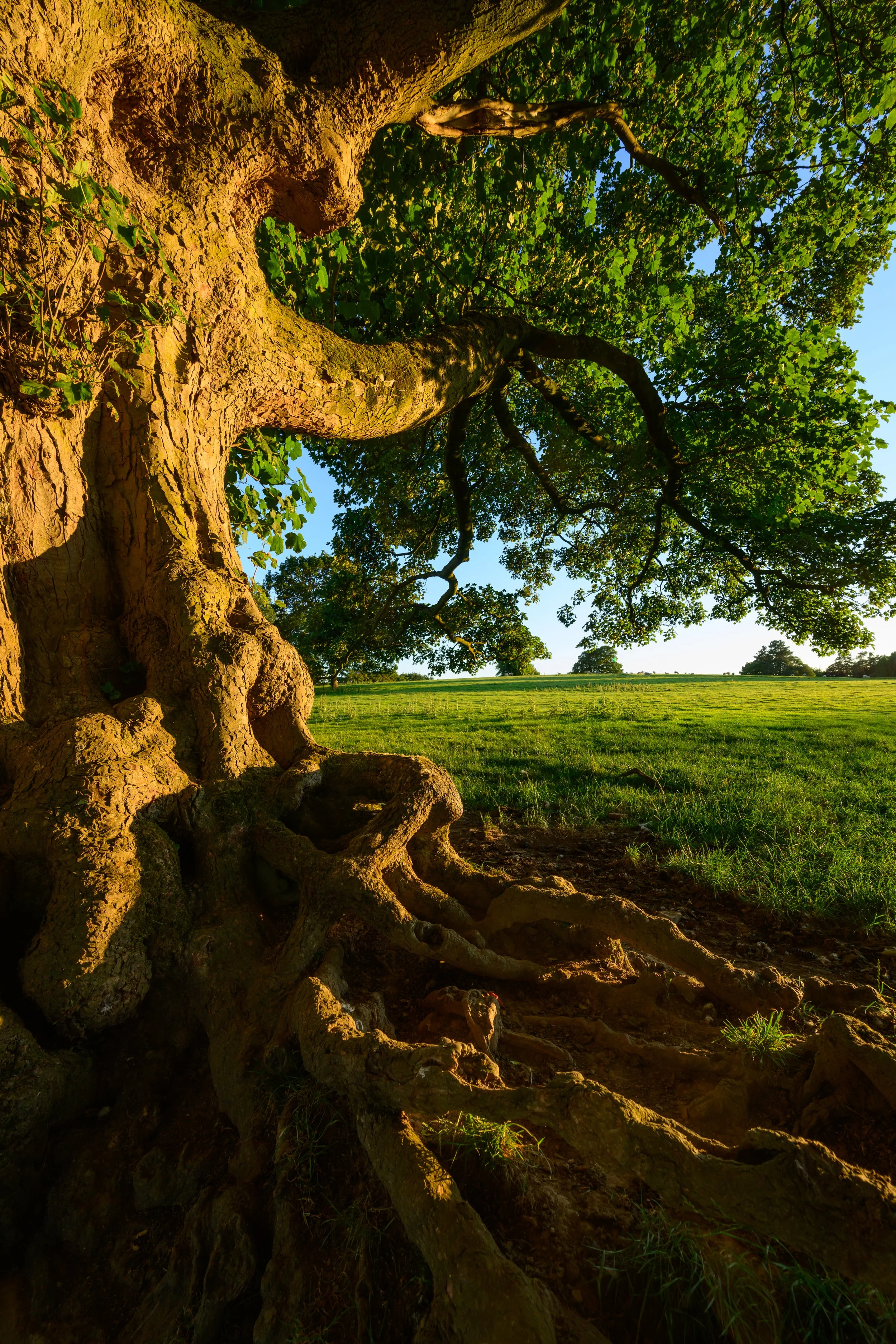
Broughton Sanctuary. Credit: broughtonsanctuary.co.uk Simon Jauncey
The missing piece in natural capital finance
Natural capital markets have evolved rapidly over the last five years. Measurement methodologies have improved. Environmental markets have matured. Investors are becoming increasingly comfortable with biodiversity, carbon, and ecosystem-service assets.
Yet one question continues to arise.
How is risk managed?
Investors can model returns, and ecologists can measure environmental outcomes, but projects still face operational, professional and liability risks. For institutional investors, understanding how those risks are identified and managed is a fundamental requirement and often the assurance is lost in translation. There are vital financial questions that are routinely left on the table.
Insurance has a vital role to play in answering those questions.
As the nature restoration sector grows, robust risk management frameworks will become an increasingly important part of market infrastructure.
Insurance does not remove risk, but it helps create transparency around it and transfer those commercial and environmental elements that can cause catastrophic financial damage. In doing so, it can provide the confidence needed for investors, project developers, and landowners to participate in the market.
“The ecology at Broughton was never the hard part in relative terms. The truly hard part was making the risk legible enough that institutional capital can hold it, which is where insurance earns its place.” - Eoin Murray, Chief Investment Officer, Rebalance Earth
Natural capital may now be approaching a similar point to other emerging markets, where investment structures, governance and risk management frameworks begin to mature alongside the market itself.
Why insurance matters
For GaiaSicura, the placement of its first bespoke nature focused policy for a project such as Broughton represents more than a transaction. It reflects a broader shift within the market: the recognition that natural capital projects require many of the same professional disciplines that underpin established infrastructure, energy, and property investments.
As institutional capital begins to flow into nature-based assets, insurance can help provide confidence that risks are understood, appropriately allocated, and effectively managed.
In that sense, insurance is not simply a supporting service. It is part of the wider framework helping transform nature recovery from a grant-dependent activity into an investable asset class.

Broughton Sanctuary at Sunset. Credit: broughtonsanctuary.co.uk
What are the benefits of EPI insurance?
As natural capital projects attract larger pools of private investment, the expectations around governance and risk management continue to increase. Projects often involve multiple specialist organisations delivering ecological assessments, habitat design, biodiversity forecasting, carbon modelling, and environmental reporting.
Investors and landowners rely on this expertise when making long-term financial decisions. PI insurance helps protect against situations where an error, omission, or negligent act in those professional services leads to a financial loss for a third party.
For example, cover can respond to:
Incorrect ecological assessments
Errors in habitat modelling
Faults in biodiversity calculations
Inaccurate environmental reporting
Professional mistakes in project design or verification
For investors, this creates confidence that risks have been identified and appropriately managed, mitigated, and transferred. For project developers and consultants, it provides protection for specialist advice that underpins project delivery in a nascent market.
The GaiaSicura EPI policy goes further. Given specialists’ interaction with the physical sites to measure, manage, and monitor ecosystem uplift, there is a heightened risk that interaction causes accidental environmental damage affecting project outcomes and efficacy, which can be traced back to these activities.
This bespoke EPI policy is designed to wrap these identified risks into the cover, providing confidence for specialists to carry out their work while ensuring risks are effectively managed and transferred.
As natural capital develops into an established asset class, PI insurance is becoming an increasingly important part of the wider market infrastructure supporting investment.
Looking ahead
The Broughton Sanctuary project illustrates how quickly the natural capital landscape is evolving.
What began as a nature recovery initiative is becoming a model for combining ecological restoration, community benefit and private investment. The involvement of organisations such as Rebalance Earth and CreditNature demonstrates how environmental outcomes are increasingly being integrated into mainstream financial systems.
For GaiaSicura, supporting the work being undertaken by the team with our bespoke EPI policy is an encouraging step in that journey.
As natural capital projects continue to scale, effective risk management will play an increasingly important role in helping nature become not only recoverable, but investable.
The future of landscape restoration will depend on more than ecology alone. It will depend on creating the confidence, structures and resilience that allow capital to support nature recovery at scale.

Broughton Sanctuary at Sunset. Credit: broughtonsanctuary.co.uk
Start Structuring Risk For Your Nature Project
Talk to GaiaSicura about how specialist Environmental Professional Indemnity insurance can support your project.