
EU Green Week 2026: Why Nature Investment's Missing Piece Is Insurance
EU Green Week 2026 highlighted growing momentum behind nature finance and biodiversity markets. Yet one key ingredient for scaling investment remained largely absent from the conversation: insurance.
In summary
Two days, no shortage of debate, and a genuine sense of progress: a clearer collective understanding of what is needed to move beyond net-zero towards net-positive.
EU Green Week is the European Commission's flagship conference that brings together policymakers, investors, innovators, developers, corporates, entrepreneurs and scientists. It took place over the 3 – 4 June 2026.
Day One: Finance Focused
Re:Invest in nature
The event began with a private investor-matchmaking session where roughly 70 start-ups pitched nature-based solutions in rapid-fire format: 3 minutes to present, 4 to be grilled. Three stood out:
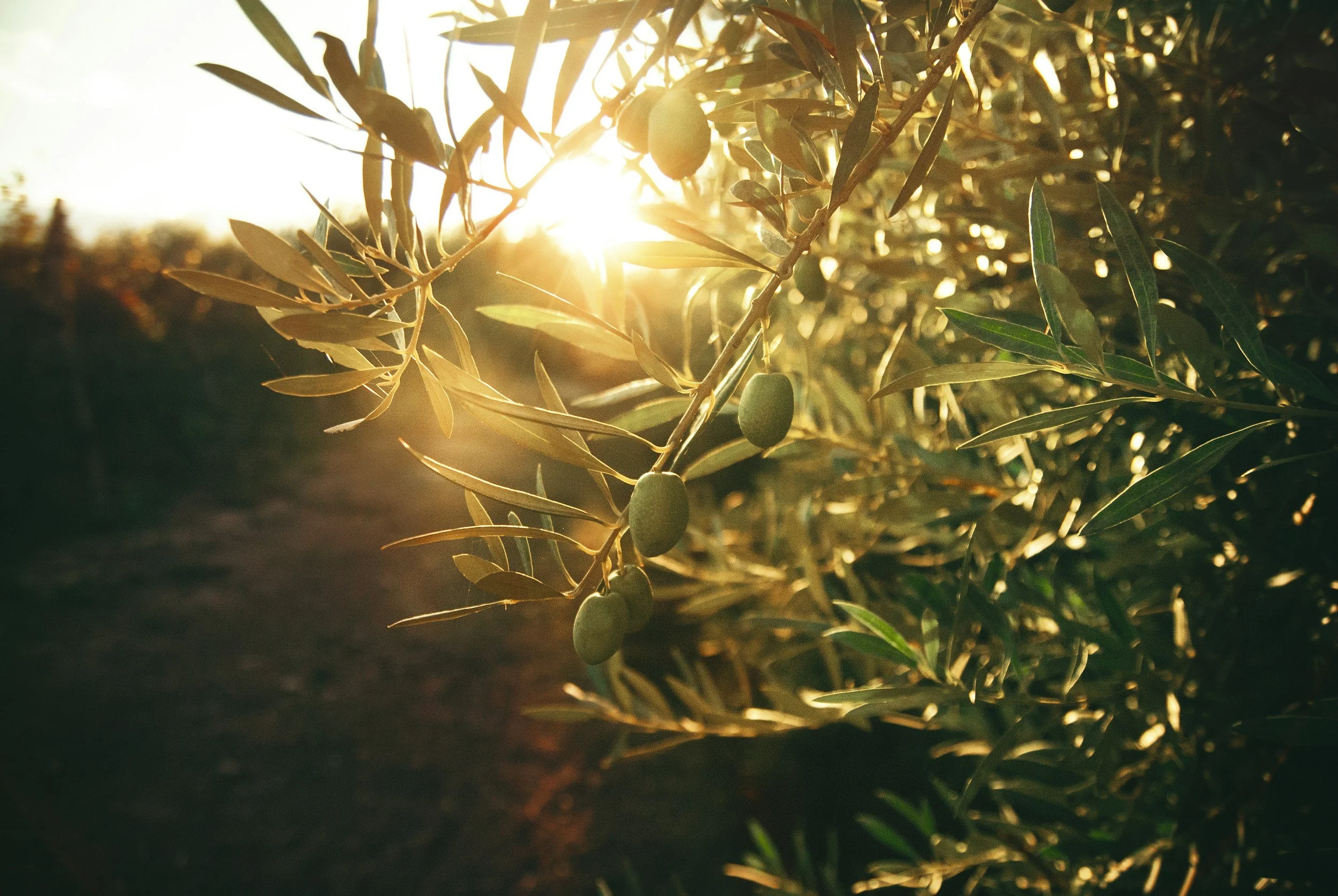
Olivares Vivos is helping southern European olive farmers improve profitability and regulatory readiness, while giving them access to a dedicated buy/sell marketplace.
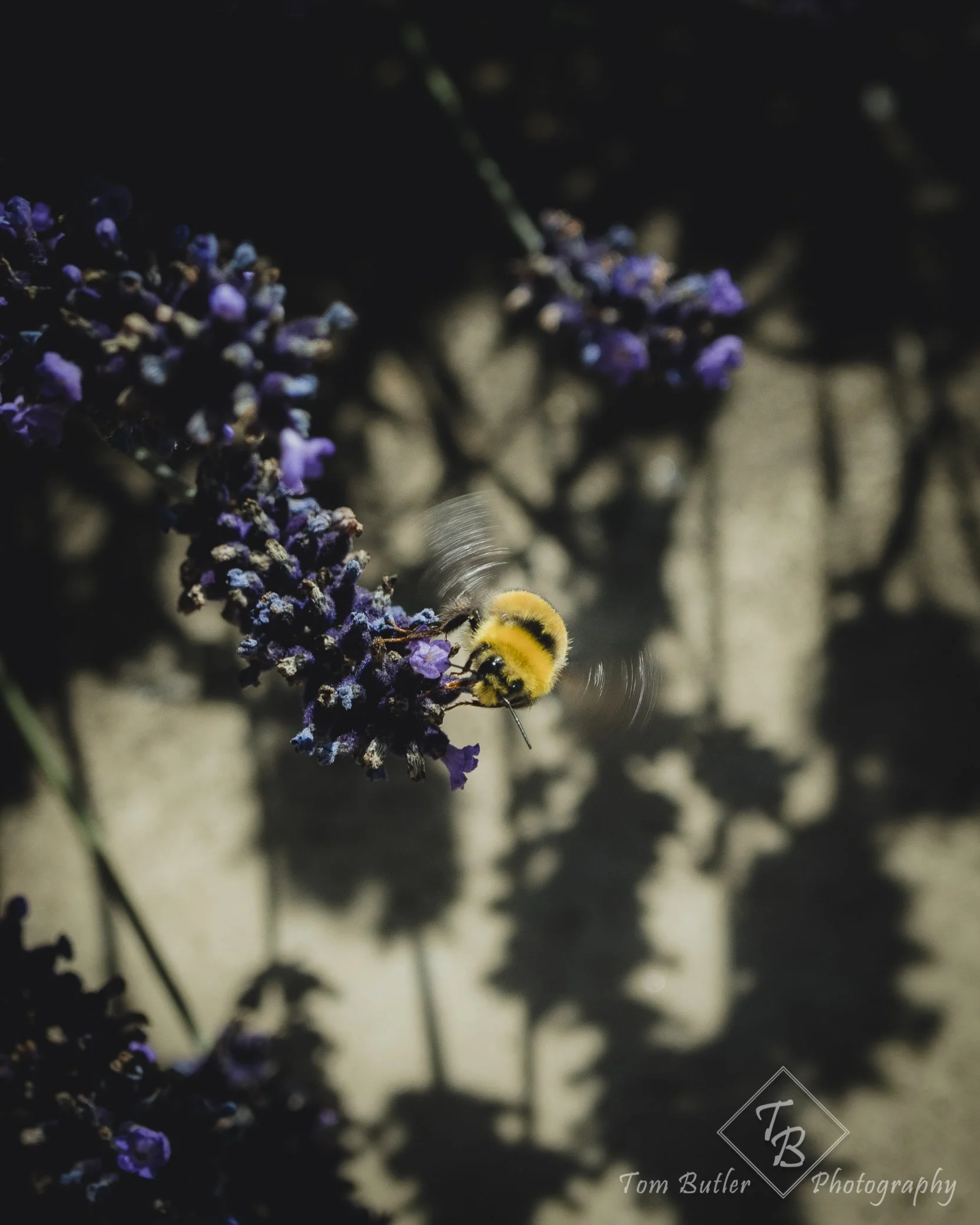
BeeOdiversity uses bees as natural data-gatherers, analysing collected pollen for biodiversity and pollution markers and selling the data to corporates like Danone for water catchment monitoring.
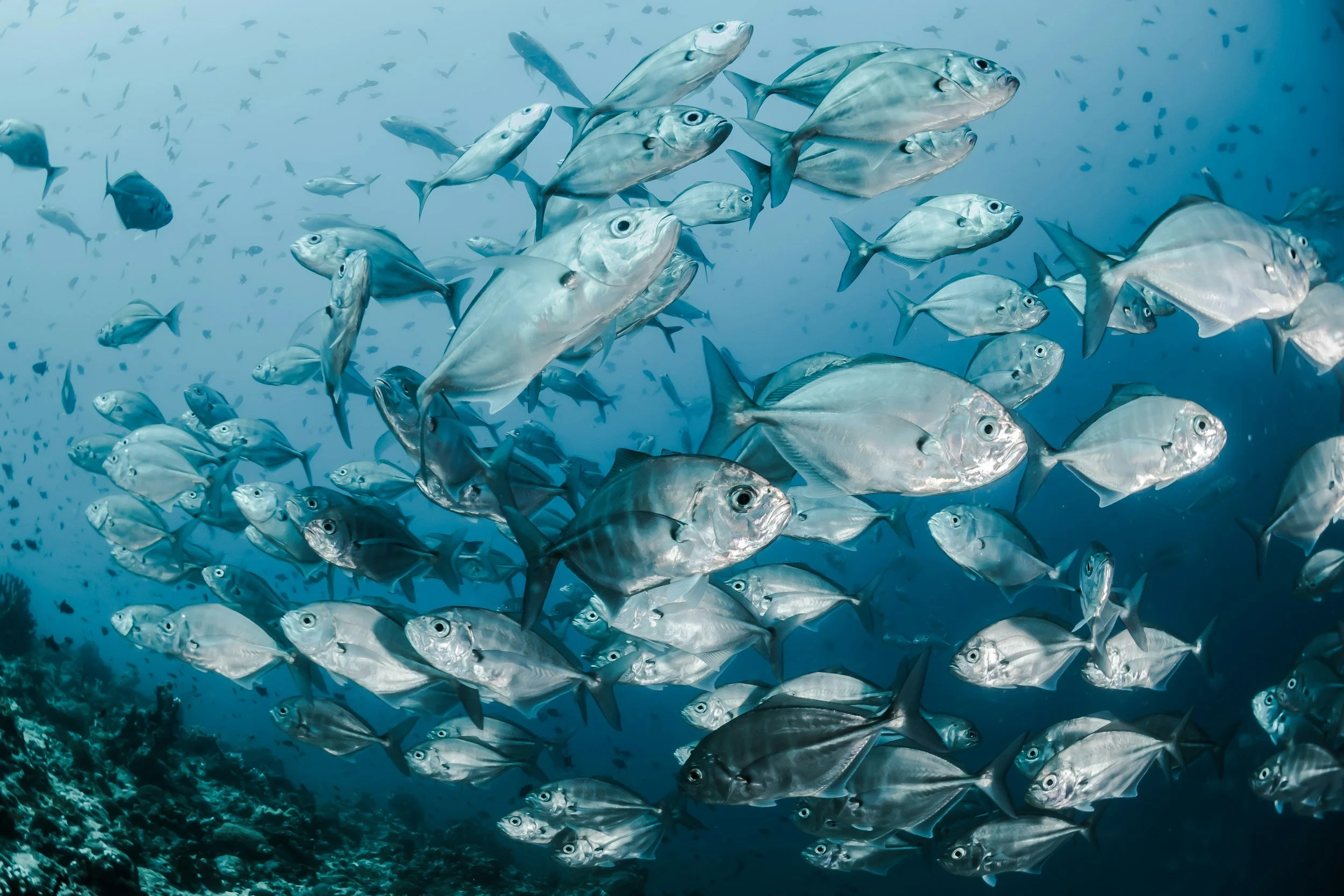
LIFEOASIS is a multi-year European Union (LIFE Programme) project running from 2024 to 2029. It is tackling the roughly 60,000 fish-aggregating devices lost annually in the Mediterranean with a GPS-enabled, subscription-based Anchored Fish Aggregating Device ("aFAD") that cuts fishers' costs by around 30%.
A closing segment on nature as a financial asset, featuring France Valley and Etifor, flagged a tension worth considering. There is a growing pattern of buyers preferring carbon credits generated closer to home, even though the fastest returns come from projects nearer the equator.
The conference opens
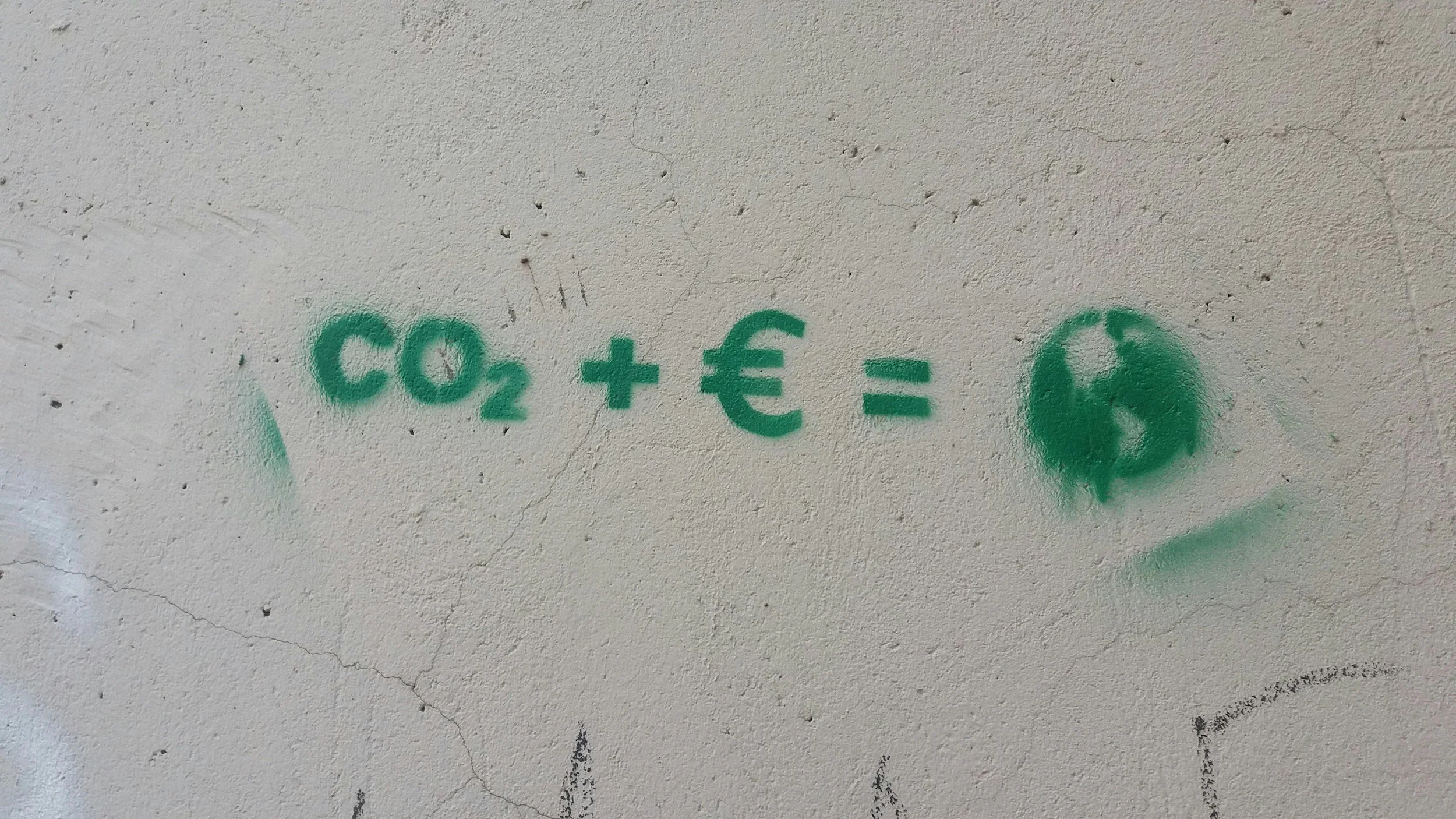
From midday, Commissioner Jessika Roswall opened with a headline commitment: 10% of the EU budget directed to biodiversity, roughly €100 billion, alongside a roadmap to nature credits designed so companies can invest and farmers can profit. Nature credits, and the idea of putting nature on the balance sheet, were the dominant themes of the day.
Investing in nature, investing in resilience
The opening plenary made the resilience case squarely. Moderator Eric Mamer, Director-General for the Environment, European Commission, noted the EU's environment portfolio carries a roughly €180 billion annual investment gap that public funding alone cannot close. Tony Agotha, Ambassador at large - Special Envoy for Climate and Environment (EEAS), pointed out that around 40% of conflicts have environmental roots, pushing back on the "woke = broke" framing as a false narrative.
Sebastian Buckup, World Economic Forum, offered a sharp line: "no AI without nature": a single hyperscale data centre can use 2 million litres of water, often in water-stressed regions. Astrid Schomaker, Executive Secretary, Convention on Biological Diversity, cited the ratio underpinning the whole week: for every $1 spent protecting nature, roughly $30 is spent destroying it.
Show me the money
Philippa Nuttall, Financial Times, opened by citing another figure, a roughly €37 billion nature finance gap. Stine Lehman Shack, Danske Bank, noted two-thirds of companies are nature-dependent, yet nature remains underrepresented relative to climate in investor conversations. Nicolas Jeanmart, Insurance Europe, set out where insurers fit in: underwriting practice, advisory capability (risk modelling for municipalities and agriculture), and investment capacity itself. Antje Biber, an angel investor, argued the real blocker isn't mismatched time horizons, institutional investors already think in decades, but narrative: people want to deploy capital for positive outcomes but need confidence in reliable returns, not a philanthropy framing.
I believe an opportunity was missed here. The talk focused largely on what financial institutions and insurance companies can do by using their deep pockets, data and expertise for good, but did not focus enough on the actual products that can be provided to investors to also protect them when they are offered opportunities to invest in nature with a return in mind. It felt as the perfect opportunity to highlight insurance solutions for nature regeneration, the climate transition and natural capital production projects to the many sophisticated and willing investors was entirely overlooked.
Show me the model
This TED-style session moved from finance to the boardroom. Patagonia highlighted its PFAS-free supply chain transition; McCain Foods described long-term contracts and zero-interest loans now running across 300 regenerative potato farms. Ecosia shared striking numbers: over 250 million trees planted, funded entirely by profits from 20 million of their web browser users.
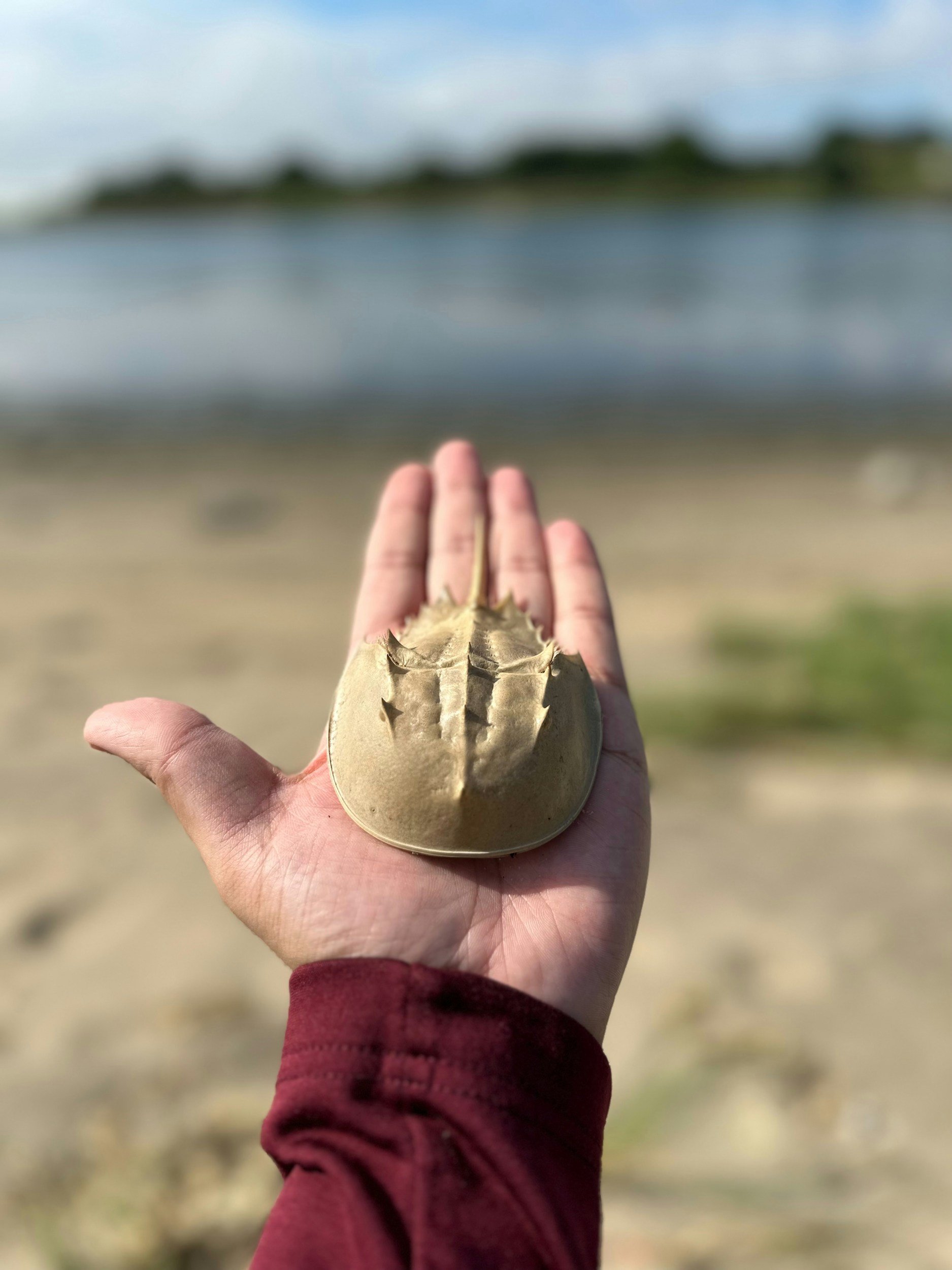
AstraZeneca flagged an unexpected dependency: the company relies on horseshoe crabs for medical testing, and those crabs are a keystone species that endangered red knot birds depend on. A further remarkable innovation from this intentionally corporate panel: Notpla's edible, seaweed-based packaging has already replaced 45 million single-use plastic items.
Nature credits: credible, or repeating carbon's mistakes?
Mathias Nuris-Souquet, Seine-Normandy Water Agency, described France's pilot certificate scheme rewarding farmers for biodiversity restoration. Dr Sonja Stuchtey, Landbanking Group, drew a deliberately uncomfortable parallel to the 2008 subprime crisis, warning that without consistent progress across countries, nature risk’s the same fate.
Simas Gradeckas, Bloomlabs, noted biodiversity credit schemes have quadrupled since 2022 to around 90 globally, each with different methodologies, and set out five credibility safeguards: proxies that correlate with real outcomes, assumed non-additionality unless proven otherwise, leakage management, independent audits, and long-term compliance enforcement. Simas also made an important point that strongly resonated with me and my views. It was a strong plea to EU regulators – without intentional and direct requirements of companies to purchase nature credits, this sector will not grow as the pace needed to match what the environment needs.
A closing audience poll asked how credible nature credits felt after the discussion, the honest answer was “too early to tell”, which is precisely the gap an insurance-backed guarantee could fill.
Day Two: Nature Focused Soil: the overlooked foundation
With 60–70% of EU soils in an “unhealthy condition”, this session treated soil health as the next investable frontier. Antonella Ilaria Totaro, Investing in Regenerative Agriculture and Food, compared ignoring soil quality to skipping a mould check before buying a house - now core risk management, not an ethical add-on. Ichsani Wheeler, OpenGeoHub, cautioned against over-reliance on satellite data alone, while farmer João Coimbra offered a grounded reality check: margins on raw produce are already razor-thin, so the real win from regenerative practice is cost savings, not higher prices.
Carpathian Mountains, Romania
Cities, conservation, and the countryside
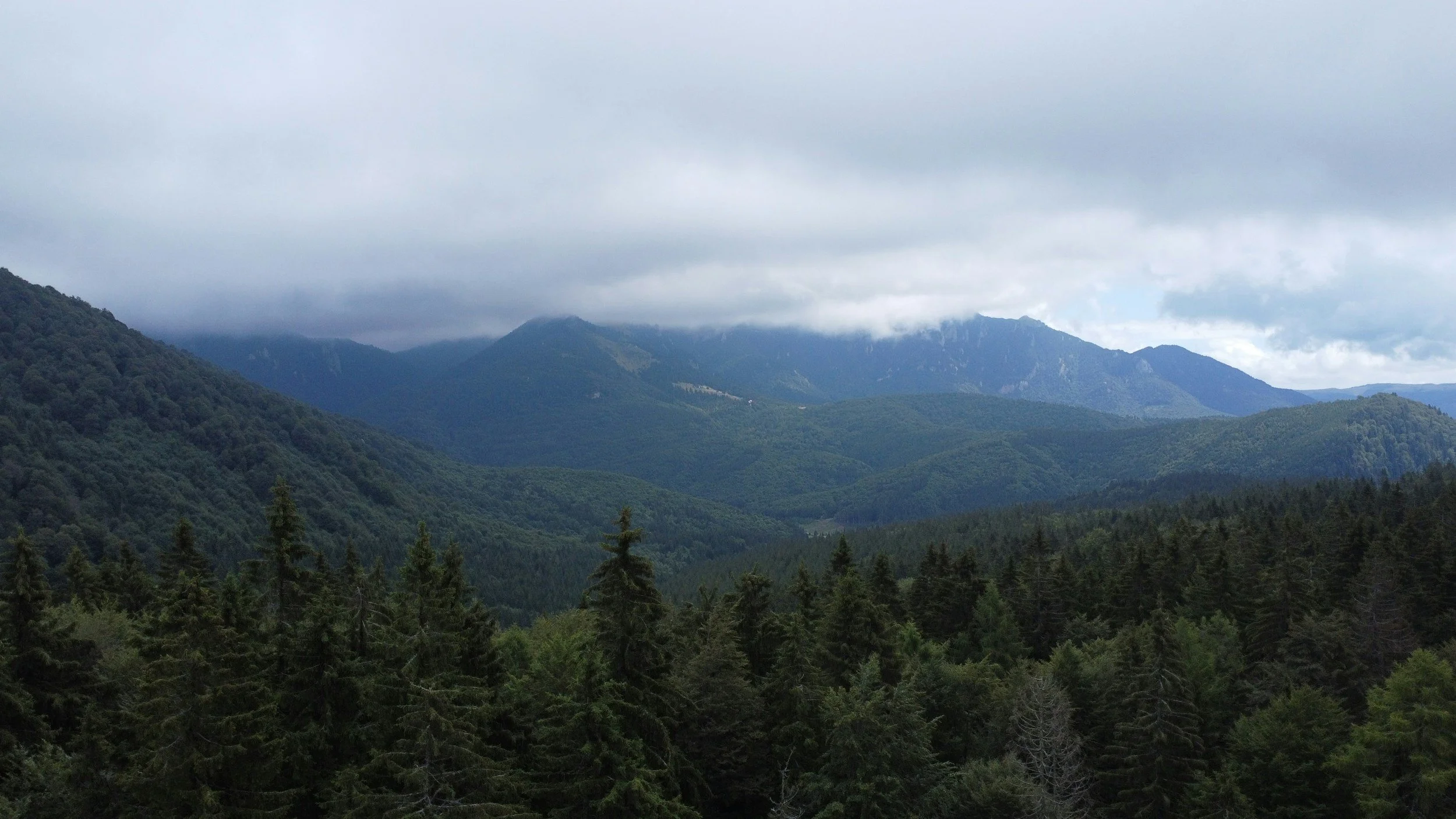
With around 75% of the EU population living in urban areas, rising to 80% by 2050, a panel asked whether growth and green space can coexist. Incredibly, Christoph Promberger, Foundation Conservation Carpathia, described rewilding 79,000 hectares of wild forestry in Romania, and Ignace Schöps shared a striking figure: rewilded former coal-mining districts in Wallonia now generate €191 million in annual turnover and 5,000 jobs.
Fanny Lacroix's closing line from the rural revival panel stuck with me: "nothing is riskier than doing nothing."
Farming with nature, and Denmark's tripartite model
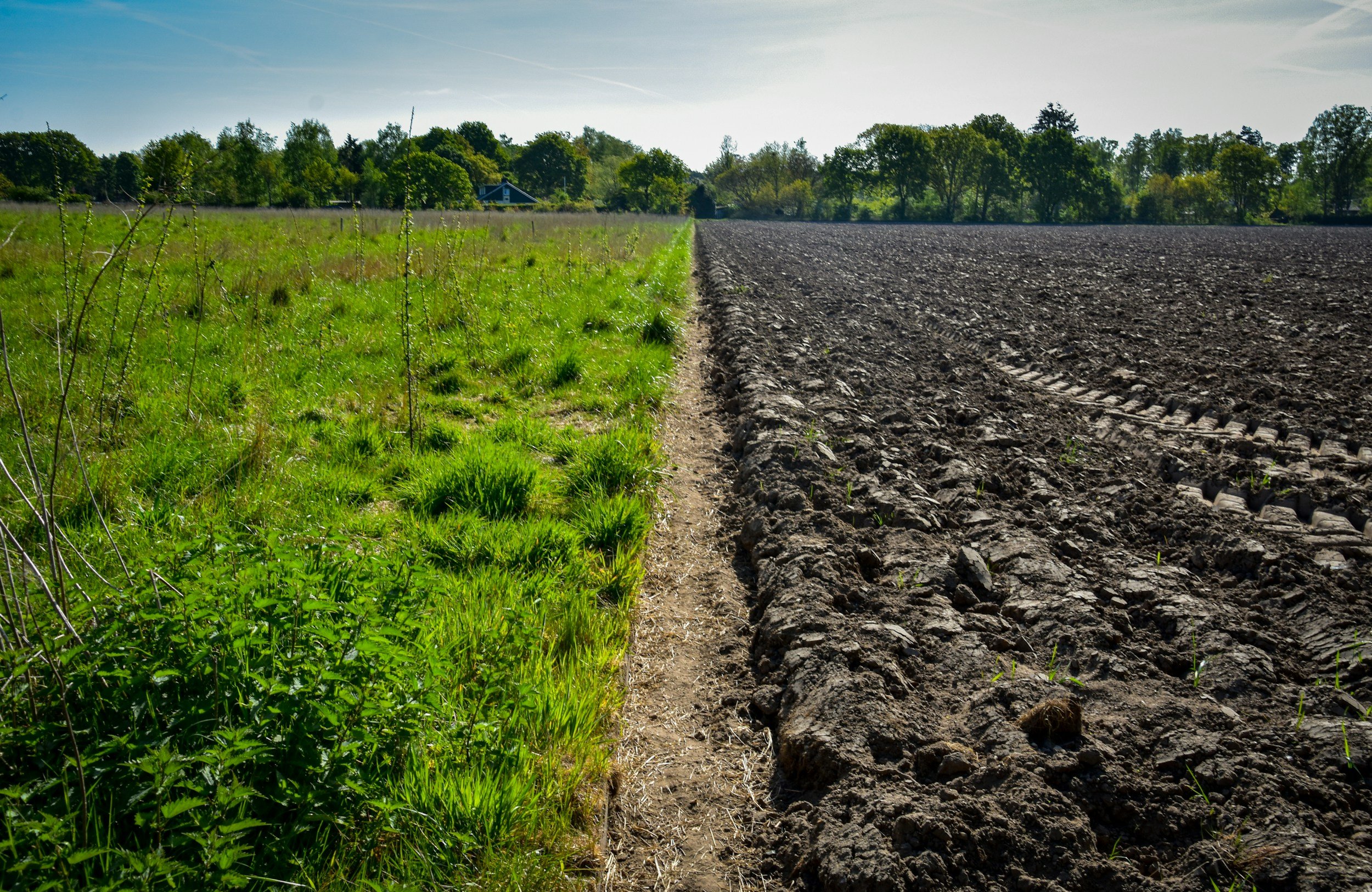
Yann Fortunato, Racines de France, argued forests are central to resilience and cover only 30% of the planet but are losing ground; his fix is payments for ecosystem services valuing carbon, biodiversity, soil and water together. Farmer Yanniek Schoonhoven offered hard evidence transition works: 300% biodiversity gains over ten years on her own farm.
A separate session examined Denmark's 2024 agreement between government, farmers and green NGOs, moving past the false dichotomy between profitable agriculture and restoration, with 10% of Danish land earmarked for habitat restoration.
Closing reflections
Eric Mamer's closing assessment was candid: progress is real but mixed, and urgency hasn't yet matched ambition. What has shifted is a shared understanding that the problem is real and the path forward needs contribution from everyone, not antagonism between camps.
My four key takeaways
We must rethink incentives. Redirecting even a fraction of that $1 to $30 imbalance isn't optional, it's foundational.
Regulation will be critical to unlocking scale. Voluntary action alone isn’t going to move competitive, low-margin sectors against their own competitors; clear frameworks are what level the playing field.
Farmers are being asked to carry disproportionate risk. With perhaps 45 harvests in a working lifetime, risking several on an unproven transition is an enormous ask. Finance, insurance and risk-sharing mechanisms need to absorb more of that burden.
The disconnect continues. I met extraordinary people delivering net-positive outcomes at local and global scale, but a persistent gap remains between them and investors who are still not filled with confidence that those outcomes translate into reliable returns.
That last point threads through the whole conference. The mechanisms exist, political will is building, and €100 billion is real money. What I view as missing is the thing that turns a promising and growing, but for many, unproven asset class into one investor’s will back at scale: a guarantee that the financial instrument will be fulfilled. That is the gap insurance is built to bridge, sitting between project developer and investor, de-risking the bet long enough for confidence and capital to flow.
As David Attenborough once observed, "as soon as we find solutions, the problem grows." The challenge now is not identifying what needs to be done. It is mobilising the capital, aligning the incentives, and building the risk frameworks that let it scale.
Start Structuring Risk For Your Nature Project
Speak with GaiaSicura’s specialists in nature insurance, natural capital risk transfer, and ecosystem restoration protection, to explore how your project can be de-risked, financed, and delivered with confidence.