
Nature Insurance Demystified Series
Part 2 - Why use an Insurance Broker for Nature Projects?
Delve into why engaging an insurance broker is critical for nature project success.
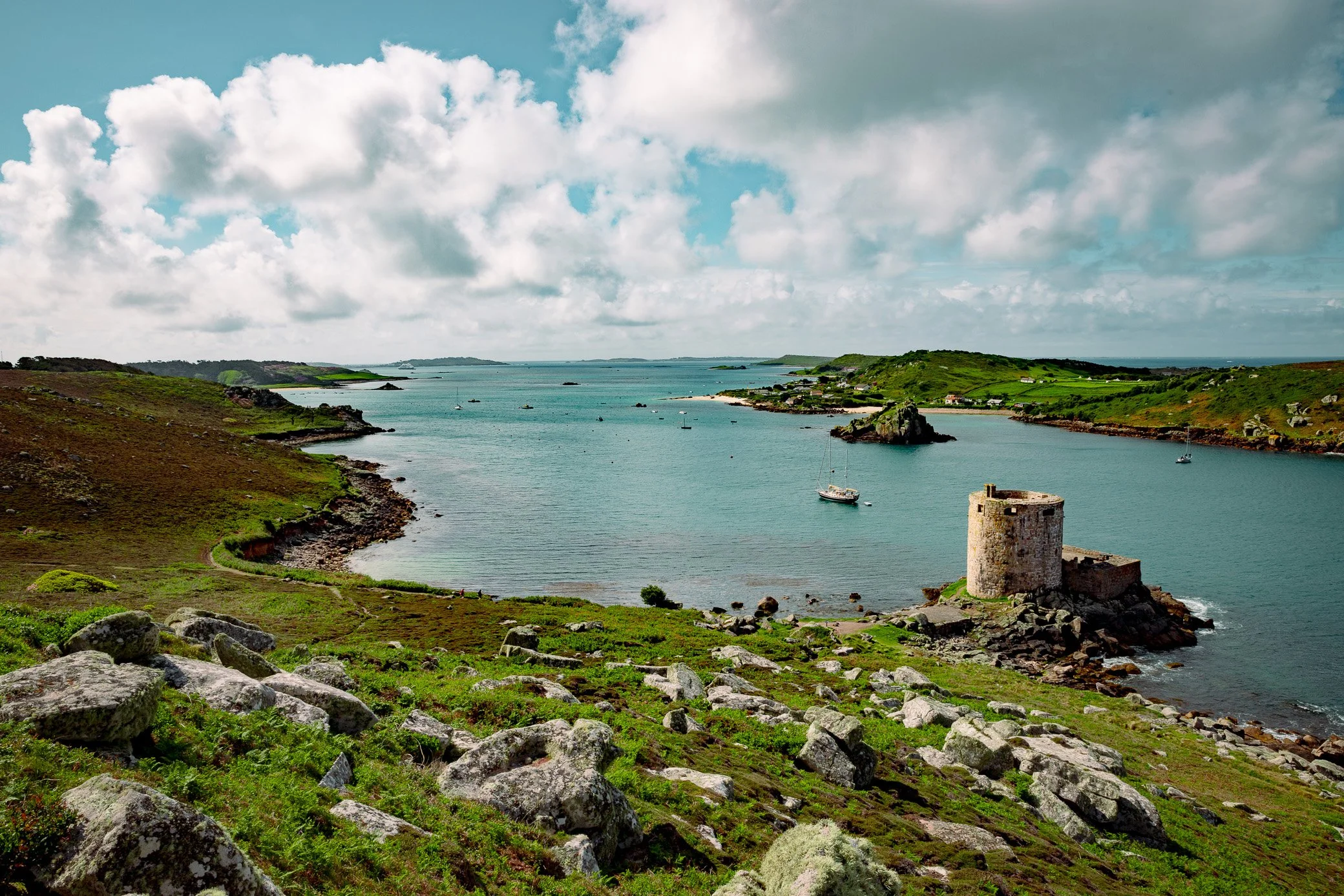
From complexity to clarity: the role of the broker in nature insurance
As nature regeneration and natural capital projects continue to attract private capital, insurance is no longer a peripheral consideration. It is becoming a core piece of market infrastructure.
Yet the insurance market is (cynics may say deliberately) opaque and difficult to navigate. Many nature projects, developers, and advisors still approach insurers directly, assuming that fewer intermediaries means greater efficiency or lower cost. In nature regeneration this assumption is not only incorrect, it could often be actively harmful.
Using an insurance broker is not about convenience, it is about ensuring that complex, asymmetric, and evolving risks are correctly understood, structured, and transferred.
In our second entry in the series of Nature Insurance Demystified, we look at how and why to engage an Insurance Broker to manage insurance programs.
Whilst our position as the world’s first insurance broker for nature will naturally make readers immediately on guard as to this clearly self-serving message, one of our key company values is trust and transparency. With that in mind, please read the below with the reassurance that we are here to demystify the processes and ensure that insurance works for nature.
Nature is versatile, and no two projects are the same
Unlike traditional asset classes, nature is inherently non‑standardised.
As an example, two biodiversity net gain sites that appear similar on paper may differ materially in:
Ecological baselines and uplift pathways
Regulatory context and local authority interpretation
Ownership and tenure structures
Sub‑contracting chains
NGO leadership vs private limited company innovation
Long‑term management obligations
Location specific risk profiles
The same is true for carbon projects, other natural capital habitat banks, and wider nature investments.
Insurers are not designed to interrogate these nuances – and there are no specialist nature insurers in the market so there is a significant amount of translation that needs to occur between parties. Their models rely on categorisation, comparables, and precedent. That works well where assets are repeatable but it fails when the projects underpinning those assets are bespoke.
A broker’s role is to translate the specific realities of a project into forms the insurance market can sensibly assess, identify ways in which standardised policy wordings need to be changed, all without forcing the project to fit an inappropriate template.
“Using an insurance broker is not about convenience, it is about ensuring that complex, asymmetric, and evolving risks are correctly understood, structured, and transferred.”
Insurance options are complex, overlapping, and often conflicting
Nature projects rarely require a single policy. They sit across multiple risk categories, including professional, environmental, contractual, and financial exposure.
Without expert structuring, projects could experience:
Gaps between Professional Indemnity and environmental liability
Overlap between project insurance and corporate cover
Conflicting exclusions across different policies
Cover responding in theory, but failing in practice
Approaching insurers directly could result in one of two outcomes:
A narrow policy that responds to a single risk, while leaving others entirely uninsured.
A generic policy that appears comprehensive, but collapses under real‑world claims scrutiny.
A broker’s obligation is not to place a policy. It is to design a coherent insurance structure that works across the life of the project and the contractual web around it.
Insurers, MGAs, and capacity providers have their own agendas
Insurers are commercial entities and Managing agents (MGAs) are incentivised to deploy their own capacity over exploring wider options.
This means they may:
Prefer certain project types and transactions over others
Decline unfamiliar structures, even where risk is manageable
Push projects towards products they already underwrite
Apply exclusions that protect balance sheets, not projects
None of this is wrong, in fact it’s how the market is designed to function.
What it does mean is that going direct places the burden of negotiation, interpretation, and pushback on the project itself. Most nature projects do not have the time, leverage, or specialist insurance expertise to do this effectively.
A broker exists to sit between these incentives and the client’s needs, ensuring that the outcome is driven by project risk, not insurer convenience.
A true broker does not have a policy to sell
This is the most important distinction.
A genuine insurance broker does not own a product, a facility, or a preferred wording that must be sold. Even though we have specific relationships with certain insurers who understand our various client’s needs better, and even create our own bespoke policies at times, our duty is to the client, not the insurer.
That obligation includes:
Assessing which risks should be retained, transferred, or mitigated
Identifying where insurance adds value and where it does not
Accessing multiple insurers and structures, not just one
Negotiating terms that reflect real project exposure
Advising against cover where it is inappropriate or misaligned
In nature insurance, this independence is critical. The wrong policy can be worse than no policy at all, because it creates false confidence for investors, developers, and regulators that falls apart in the event of a denied claim. This means that every broking process will crucially involve the analysis of the market, both within and outside of our existing relationships and identifying the best policy structure for each client independently.
Correct application of insurance is financial infrastructure, not procurement

At scale, insurance is not something a nature project buys at the end of development. It is something that shapes what can be financed, sold, or committed in the first place, much like existing commercial markets such as construction.
Used correctly, insurance:
Assists in enabling capital to flow into nature projects
Supports contractual certainty for buyers and developers
Protects professional participants and contracts across the value chain
Underpins long‑term credibility of nature markets
Protects the nature we are working so hard to create from financial impact, and replaces it in the event of environmental impacts
Used incorrectly, it becomes expensive, restrictive, and disconnected from actual risk.
That difference is rarely about the insurer. It is more often about how the insurance was structured.
“Used incorrectly, it becomes expensive, restrictive, and disconnected from actual risk.”
The strategic role of a broker in nature markets
Nature markets are still forming. Precedent is limited, and mistakes are often expensive.
A specialist insurance broker provides:
Risk translation between ecology, finance, and insurance
Structural thinking across portfolios and aggregation
Continuity as projects evolve over time
Early engagement that prevents uninsurable positions later
For biodiversity net gain insurance, carbon credit insurance, and broader natural capital risk transfer, this role is not optional. It is foundational.
A market that is bespoke requires bespoke risk transfer
Nature regeneration will never be a truly standard commodity asset class – even carbon credit values vary depending on project type. That is its strength but it’s also one of the greatest challenges when it comes to risk, and projects succeed when insurance programmes reflect that.
Using a broker is not about adding another party, but rather about ensuring that insurance serves the project, the investors, and the long‑term integrity of nature itself.
In a market built on complexity, pragmatism, and trust, our role within it matters more than ever in creating the scale needed.

Structure Risk Before You Scale Your Project
Speak with one of our specialists in natural capital project insurance and biodiversity risk transfer to explore how your project can be de-risked, financed, and delivered with confidence.
Confidential, expert-led discussions. Response within 3 working days.