
The Role of Large Herbivores in Britain: When Nature Recovery Meets Risk
How large herbivores can help restore Britain’s landscapes, the challenges of reintroduction, and the role of insurance in managing the risks of nature recovery.
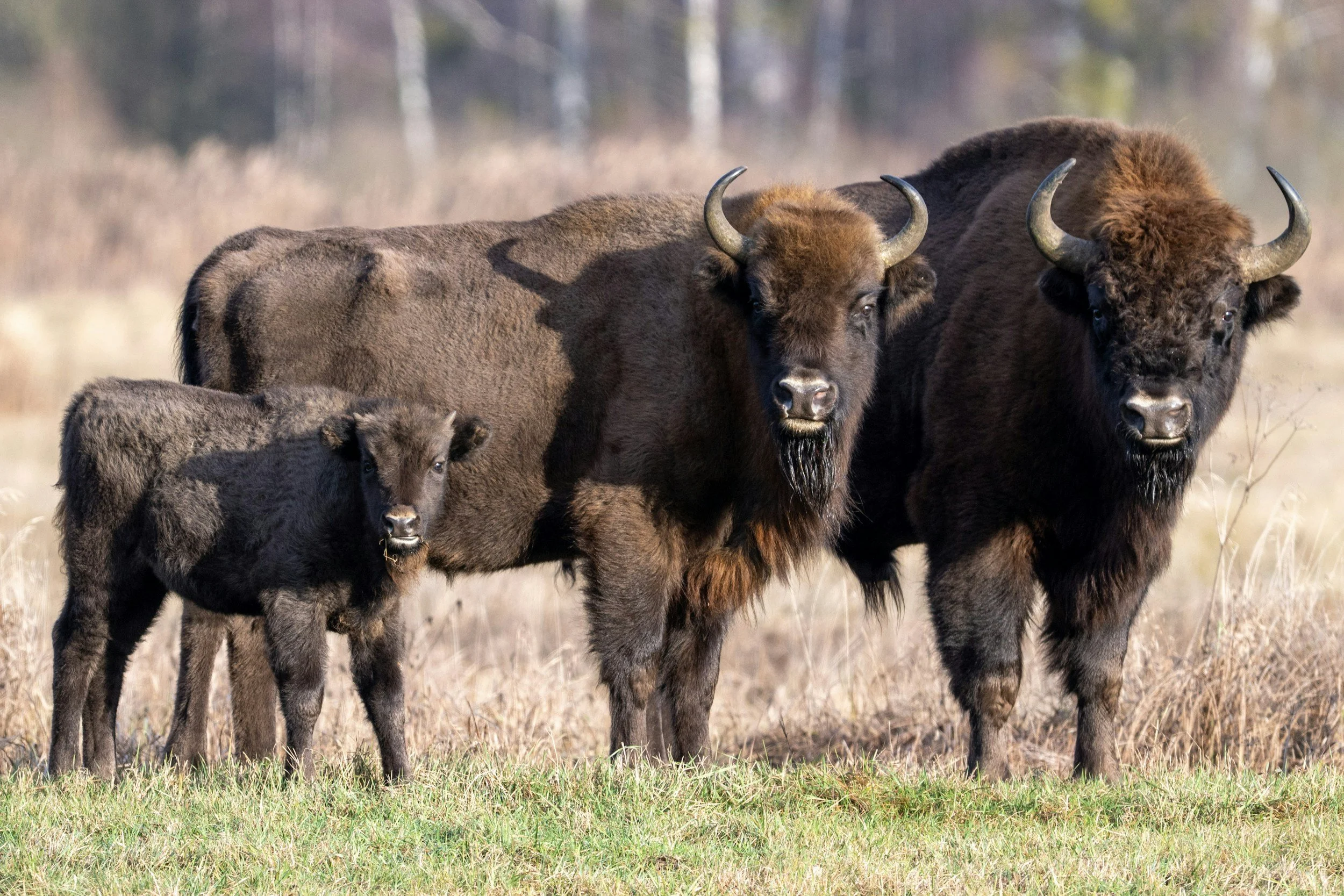
About the Large Herbivore Working Group’s mission
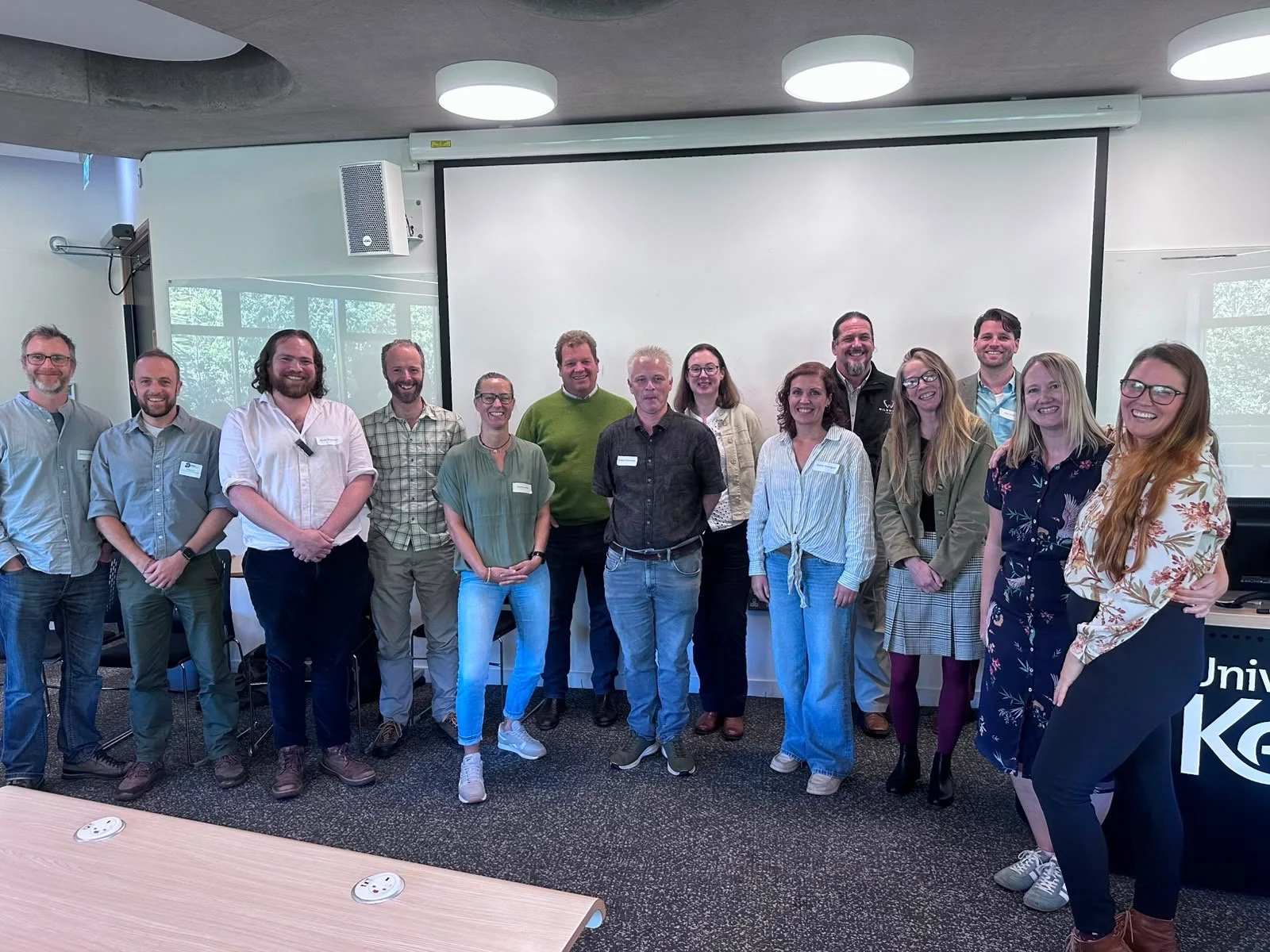
Last week our CEO William Butler, Tabitha Gilbertson, our newly recruited marketing executive, and Lizzie Fox, nature-based marketing expert and GaiaSicura partner, joined the inaugural conference run by the Large Herbivore Working Group (LHWG).
Hosted at The University of Kent, with funding and support from Forestry England, DICE (the Durrell Institute of Conservation and Ecology), and the Royal Society of Wildlife Trusts, this two-day event brought together nature experts, legal practitioners, scientists, and academics to explore the role of large herbivores in restoring natural processes across Britain and current barriers needed to be overcome to deliver ambitious planned projects in this space.
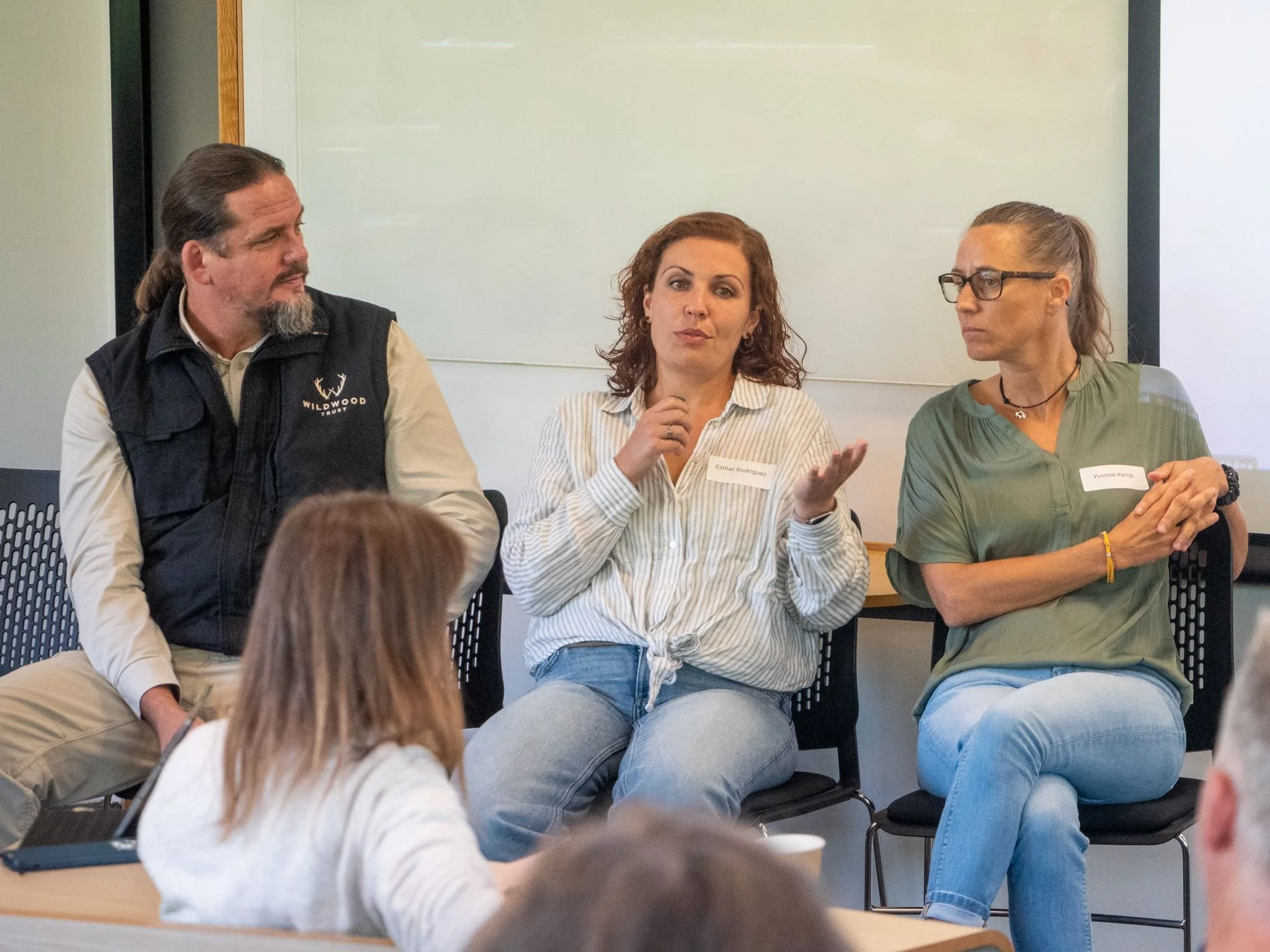
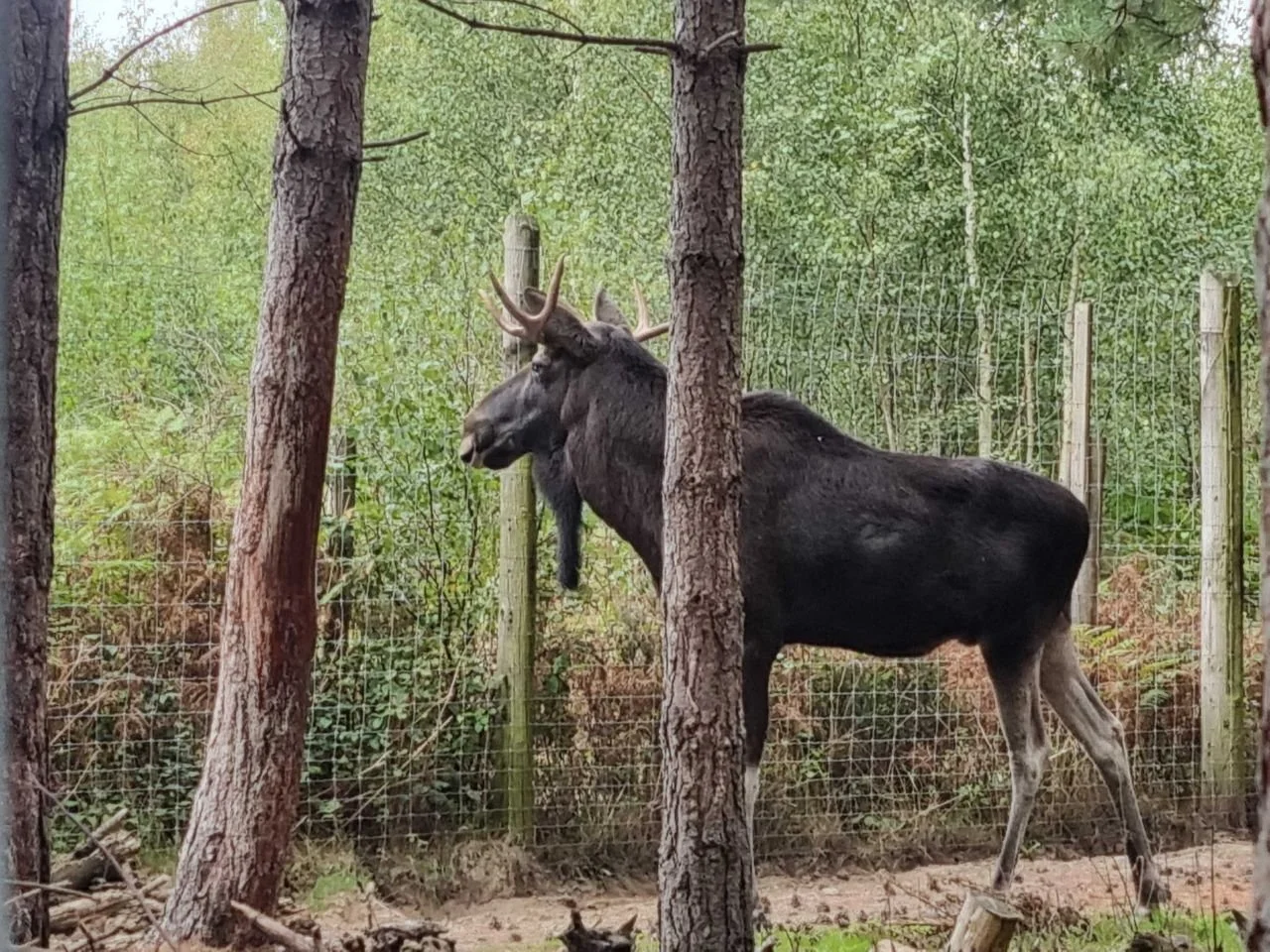
The programme featured speakers and attendees from across Europe, including France, the Netherlands, Spain, France, Denmark and Latvia. They shared their extensive experience of different approaches to large herbivore introductions, including inspiring success stories from our European neighbours – from projects with European bison in the Netherlands and Spain, and Eurasian elk reintroductions in France. Presenters also spoke about shared grazing, animal welfare, and the legal barriers encountered around allowing animals to behave more naturally in rewilding landscapes.
The Innovation Showcase featured LHWG research conducted on rewilding insurance and regulatory sandboxes, where Lizzie Fox explored how collaboration between government, the nature sector, insurers, communities and landowners could help address regulatory barriers, build evidence, and manage risk to support nature recovery.
The day closed with a powerful keynote speech from visionary Sir Charles Burrell of the Knepp Estate, a pioneering rewilding project in Sussex, followed by a strong call to action from the group’s founder Rina Quinlan, and large herbivore specialist at Forestry England, urging the community and nature experts in the room to come together to drive systems and regulatory change in order to return large herbivores to our landscapes.
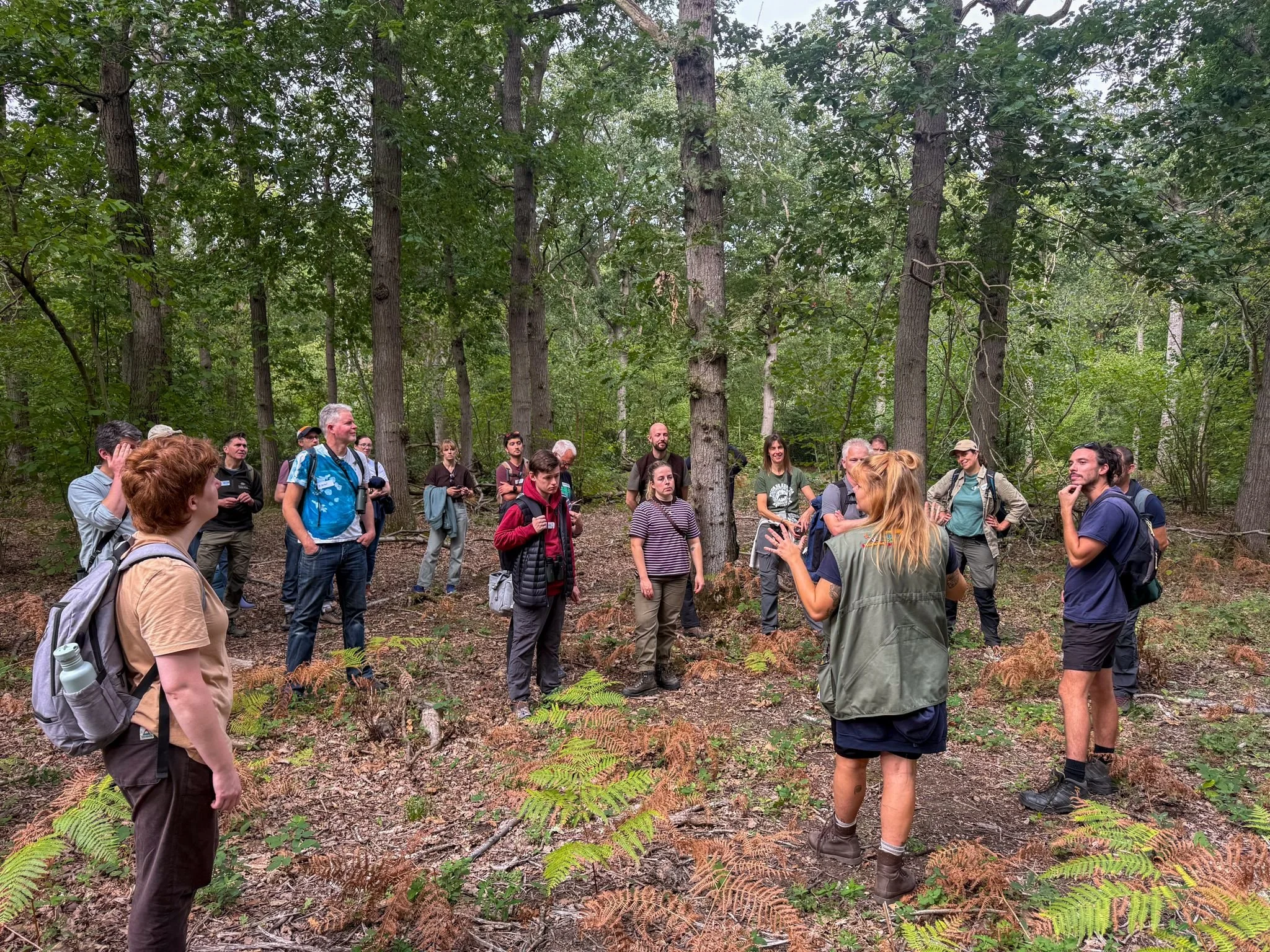
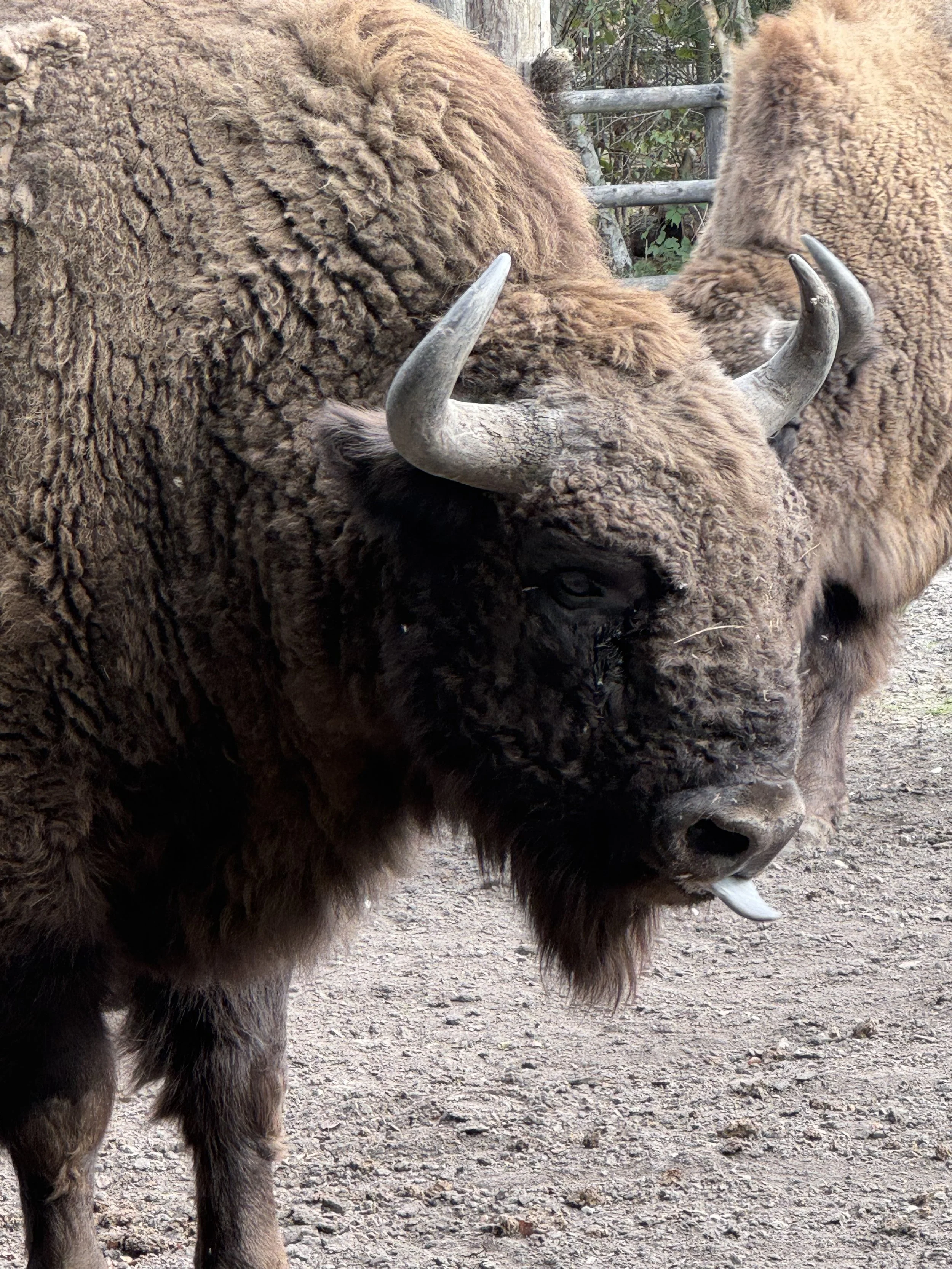
The second day of the conference featured a site visit to the Blean Bison project, hosted by the Wildwood Trust alongside partners at the Kent Wildlife Trust. The delegates were able to see first-hand the work being done to understand what European bison can contribute to nature recovery.
It was an important setting for a group with an ambitious aim: to advance the return of large grazing and browsing animals to help restore natural processes in the UK. This caught our attention at GaiaSicura because as these animals begin to shape the landscape again, new interactions between nature, people, land and infrastructure will emerge. This raises an important question: how do we understand and manage the risks that come with giving nature more space to recover?
The role of large herbivores in Britain’s landscapes
Britain’s landscapes were once significantly influenced by large herbivores such as European bison, Eurasian elk, wild horses and aurochs. Many are no longer present in the country, while others have been lost as native species.
As Wildwood Trust’s work with European Bison shows, large herbivores can act as ecosystem engineers, helping create more varied habitats for wildlife. They shape their surroundings through grazing, dung, seed dispersal, browsing, bark stripping and tree damage.
In addition, when domestic proxies for their wild ancestors - such as Exmoor ponies - graze they help maintain habitat diversity by stopping grasslands and heathlands from becoming overgrown. They can also reduce wildfire risk by decreasing the amount of dry vegetation available as fuel, something that feels particularly relevant given the increasing frequency of extreme heat and dry conditions.
These actions may seem simple but herbivore assemblages can have a significant positive impact on the landscape, collectively creating a much more varied environment and new opportunities for biodiversity to flourish.
As Paul Whitfield of Wildwood Trust put it during the conference:
“Nature needs complexity to thrive.”
Herbivore introductions help to restore that complexity. Grazing, browsing, movement and disturbance helps to create the mix of open ground, vegetation and woodland that allows different species to find the conditions they need.
Why does this matter to nature recovery?
Large herbivore species interact with the landscape in different ways. Bison, elk, ponies, cattle browse and graze, whilst omnivorous boar rootle. Each have different feeding behaviours, movements and preferences, meaning they affect vegetation, soil and habitats in various ways.
Some graze grasses close to the ground, others browse shrubs and young trees, while trampling, rubbing, digging and moving through the landscape creates further disturbance. Together, this complementary array of behaviours can help create a more varied and dynamic landscape, with a mix of open areas, scrub, woodland, regeneration and deadwood.
Rather than trying to create and maintain a single habitat, restoring a diverse range of large herbivores and other native species can help re-establish natural processes, allowing degraded habitats to change and recover over time and creating more opportunities for wildlife recovery.
Challenges of reintroduction
There are many benefits to reintroducing large herbivores such as European bison or Eurasian elk to Britain, doing so comes with challenges. Finding suitable space for these animals is one consideration, alongside wider concerns around public safety, animal welfare and how they interact with neighbouring land and infrastructure.
The challenges are not necessarily about the animals themselves, but about working out how to fit them back into landscapes and societies that have changed considerably since these species were last present.
Introducing large, mobile animals into modern landscapes where people live, work and travel requires careful planning. For introductions to be successful, we need sound ecological planning, appropriate regulatory frameworks, ongoing monitoring, data collection and analysis, and a clear understanding of how these animals will interact with the landscape and the communities around them.
The aim isn't to remove all the risks; it is to understand which risks are acceptable, to whom, and under what conditions. Once understood these risks can be managed responsibly, and large herbivores and other native species can become part of nature recovery in a way that works for both people and wildlife.
Where nature recovery meets risk
Changing how a landscape functions by restoring natural processes through species reintroduction inevitably changes the risks within it.
There are practical questions to work through. How do you manage interactions with neighbouring land? What risk-mitigation infrastructure is needed? What conflicting legal barriers currently prevent the safe reintroduction of native species? How do you manage public access and safety?
For us, this is where the conversation becomes particularly interesting.
Ultimately, the aim is not simply to manage the risks of reintroduction, but to find ways for people and wildlife to coexist, with that shared landscape becoming a source of benefit rather than conflict.
Nature recovery is therefore about understanding the risks that come with a living, changing system and finding practical ways to protect projects via risk transfer methods.
This is where financial mechanisms, including insurance, can play a role. They can help projects manage some of the risks involved and give landowners, project developers, investors and other stakeholders greater confidence as nature recovery moves forward.
Conclusion
Large herbivore introduction efforts are a catalyst for a much wider chain of reactions within an ecosystem. Their benefits can help restore vital natural processes that have been missing from Britain’s landscapes for generations.
What came through clearly from the LHWG conference was that this conversation is about something much bigger than the return of one species. It's about how we aid the recovery of complex ecological processes that help landscapes change, adapt and support more wildlife, while also generating benefits for local communities, including enhanced biodiversity and potential reductions in flood and wildfire risk.
For GaiaSicura, understanding these evolving landscapes also means understanding the new risk profiles that come with them and our expert team is working alongside nature experts to deliver bespoke insurance solutions in this space.
About the Large Herbivore Working Group
The LHWG brings together experts and specialists from organisations including The Wildlife Trusts, Wildwood Trust, Rewilding Britain, the Knepp Estate, Rare Breeds Survival Trust and the Lifescape Project, alongside many other organisations and experts working with large herbivores.
You can find out more about the group and its work at the Large Herbivore Working Group website.
Speak with the team
If your organisation is involved in the development or delivery of developing or delivering a natural capital or nature restoration project, including species reintroductions into the landscape, our team of experts can help you understand how bespoke nature insurance solutions fit within your wider risk management strategy.