
Bioregional Weaving Labs: Connecting Finance, Insurance and Nature
GaiaSicura joins the Bioregional Weaving Labs gathering in Cilento to explore how insurance, finance and collaboration can support locally rooted regeneration, regenerative agriculture and a future for nature.
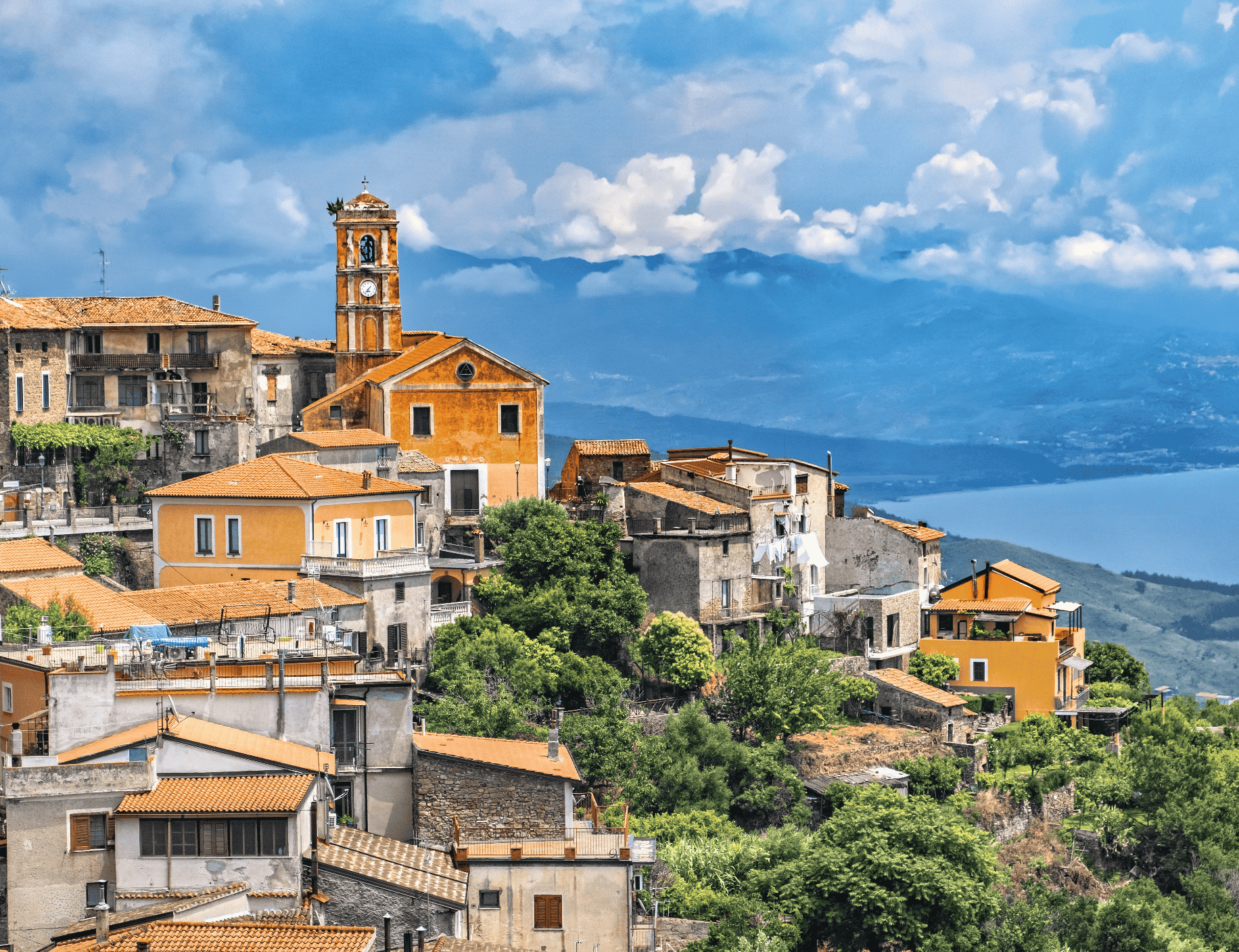
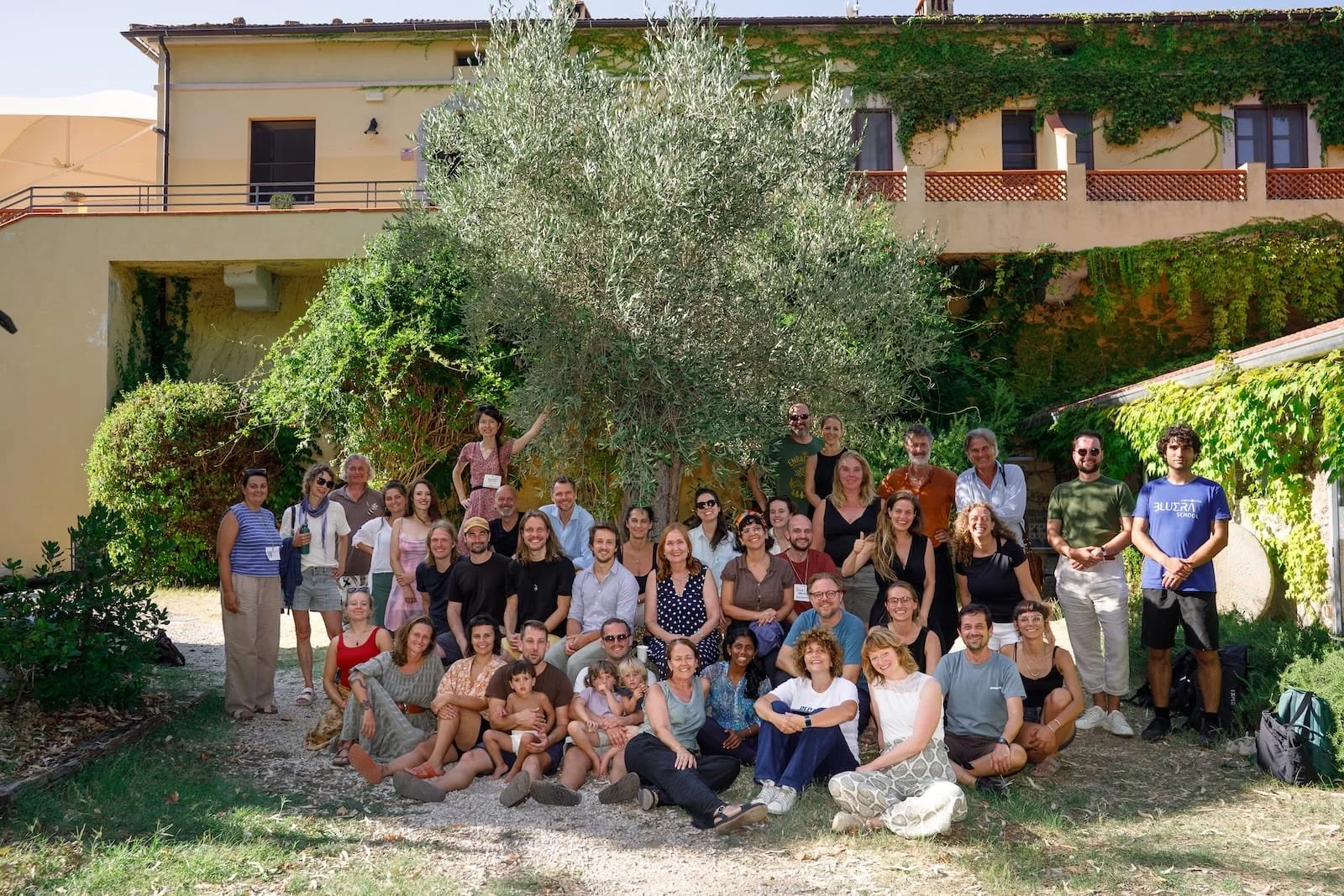
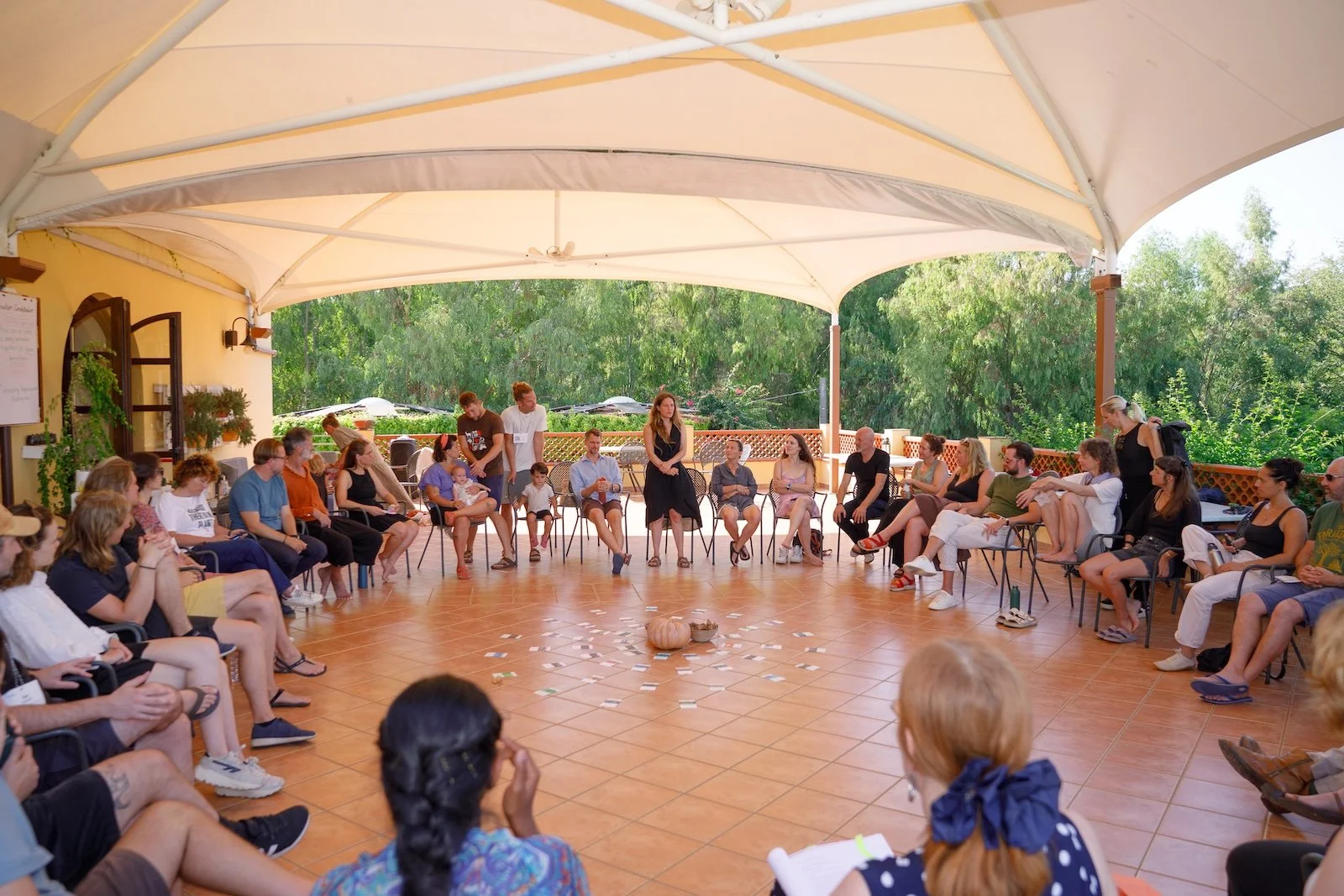
At the start of September, Will and Hannah travelled south to the sun-soaked hilltop village of Pollica in Cilento for the Strategic Partnership Gathering of the Bioregional Weaving Labs (BWL). Over three days, established and emerging partners of this network, the pan-European support team, and ‘weavers’ from six BWL projects brought together experience of regenerative transitions from different sectors and perspectives to explore a shared vision and identify opportunities for collective action.
Bioregional regeneration
The gathering introduced us to the importance of a bioregional approach to regeneration. Bioregionalism is a movement that defines boundaries according to natural units where ecological, economic, and social systems interact in ways that enable communities to work together. Rather than following human-made, jurisdictional boundaries, bioregions are shaped by features such as watersheds and mountain ranges, endemic biodiversity, and human cultures.
A Bioregional Weaving Lab, in turn, is a geographically grounded, multi-stakeholder process that connects people, places, and projects to regenerate bioregions. Here, ‘weaving’ refers to a form of regenerative leadership that works through forming, building, and strengthening relationships rather than operating through systems of control.
We were drawn to this approach of connecting what is already there, recognising that this way regeneration becomes inherently bottom-up and locally grounded, backed by support systems that are already in place. It is a delicate and humble approach that strengthens life rather than replacing it. By weaving, resilience is built through relationships, nurturing the complexity of living systems, which function through feedback and interconnection. This idea reflects nicely how the carrying capacity of a system is determined by the strength and quality of its relationships – however those relationships are defined.
Living systems of control
These learnings were embodied by the setting for the week: Cilento, home to one of the six Weaving Labs. The region has a vibrant history as the birthplace of the Mediterranean diet and Western philosophy, and it has one of the world’s highest concentrations of UNESCO-recognised heritage sites. We experienced the legacy of the people who have lived there for millennia through a deeply ingrained culture of care and reciprocity for health, community cohesion, the land, biodiversity, cultural heritage, and a more mindful way of living.
In collaboration with the Future Food Institute, the BWL has made a tremendous effort to foster restanza, the conscious choice to stay in or return to one’s homeland by reviving dormant assets and empowering local initiatives. They generously showed us around the Paideia Campus, brought us to a nearby regenerative farm, and introduced us to a fully local-rooted pizzeria. These examples got us thinking about what this model can teach us about supporting rural economies and communities, also in the UK.
Strategic priorities
The BWL team also guided us in sensing where energy was flowing through the system, helping identify strategic priorities for impactful collaboration. These included place-based finance mechanisms, EU grant opportunities, farmer transition, impact measurement, and more. In working groups, we identified actionable opportunities and potential areas for collaboration between the weavers and partners.
We contributed to the discussion on Bioregional Financing Facilities where naturally complex risk management, mitigation, and transfer mechanisms should be integrated as standard. Bioregional financing also operates through relationships by decentralising the governance of financial resources, aggregating synergistic portfolios of projects, and catalysing the transition to a regenerative economy. It moves beyond just closing the nature finance gap, to considering where money is spent, how financing is structured, and who gets to make those decisions. The aim is to create community-oriented, non-extractive financial dynamics. We contributed ideas on suitable types of landscape funding and how to de-risk them, including debt financing, natural capital credits, impact and resilience funds, supply chain profit pooling, and nature-based currencies.
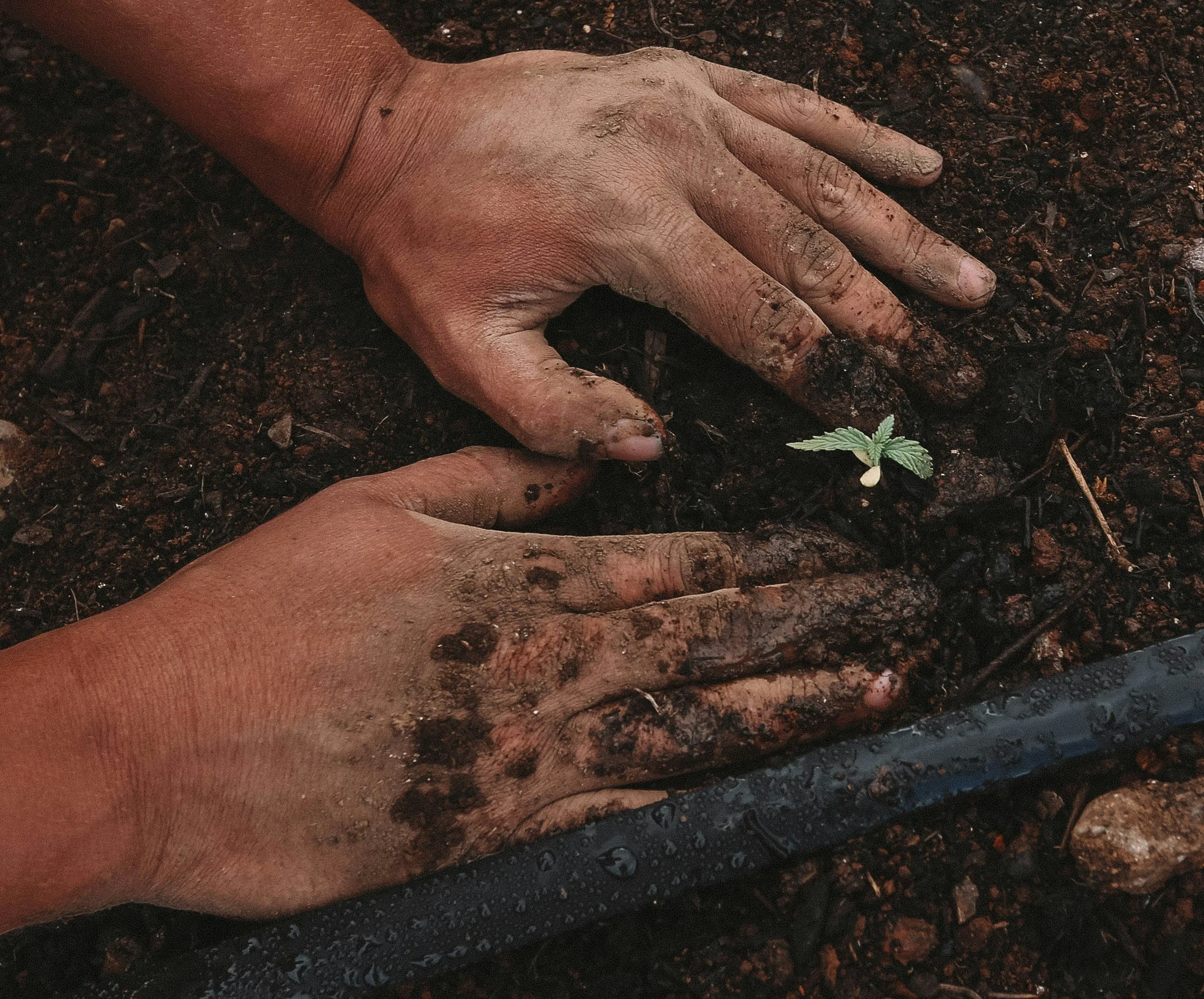
We also engaged in conversations about farmers’ transition to regenerative agriculture. The discussion showed that the transition on the farm is closely connected to the socioeconomic development of the surrounding region. It involves promoting new farming practices while making life as a farmer attractive again by ensuring access to cultural activities, healthcare, schools, and other social infrastructure. Our perspective broadened as we came to understand the importance of strengthening the social fabric of the region, alongside the ecological health of its soil, to support this transition.
These working groups helped recenter the realities, practices, needs and challenges faced by nature’s stewards, which helps us realign as a supportive partner. As regenerative approaches develop, so do the risk profiles and how we can address them. The conversations also showed how these stewards can support us in our mission, for example, through data collection and sharing and the development of new partnerships.
Rooted regeneration
The Bioregional Weaving Labs consider regenerative outcomes through the lens of Four Returns: social, natural, financial, and inspirational. The fourth return, inspiration, gives people hope, purpose, and connection to nature.
We feel deeply inspired by this group of motivated, caring, and grounded individuals. They have given us hope that regeneration is possible on a human scale and across a long-time horizon, through small steps that build on one another and grow into a wider movement, with broad support from cross-sector partners and a unifying goal. Meeting them also reaffirmed our purpose, using insurance to support these passionate weavers and regenerators to ultimately secure a future for nature.
Speak with a nature insurance expert
If your organisation is involved in the development or delivery of a natural capital or nature restoration project, our team of experts can help you understand how risk transfer and nature insurance fits within your wider risk management strategy.