From the shores of Santorini to the growing challenge of financing marine restoration, the Hearth Summit explored what it means to build resilience in a time of ecological change. This article looks at the barriers facing blue regeneration and how insurance can help unlock finance, manage risk and protect nature.
From Connection to Resilience
A hearth is the area around a fireplace where people gather to connect and share stories. For millennia it was the primary source of warmth and the heart of the home, embodying a sense of belonging and community. In Santorini, the word also represented the connection between heart and earth, and our ability to care for and sense into the environment.
The Hearth Summit was organised by the Wellbeing Project in collaboration with Impact Hub Athens, inviting people working on social and ecological change to explore coastal community resilience and how to nurture promising innovations.
Living Well in Times of Crisis
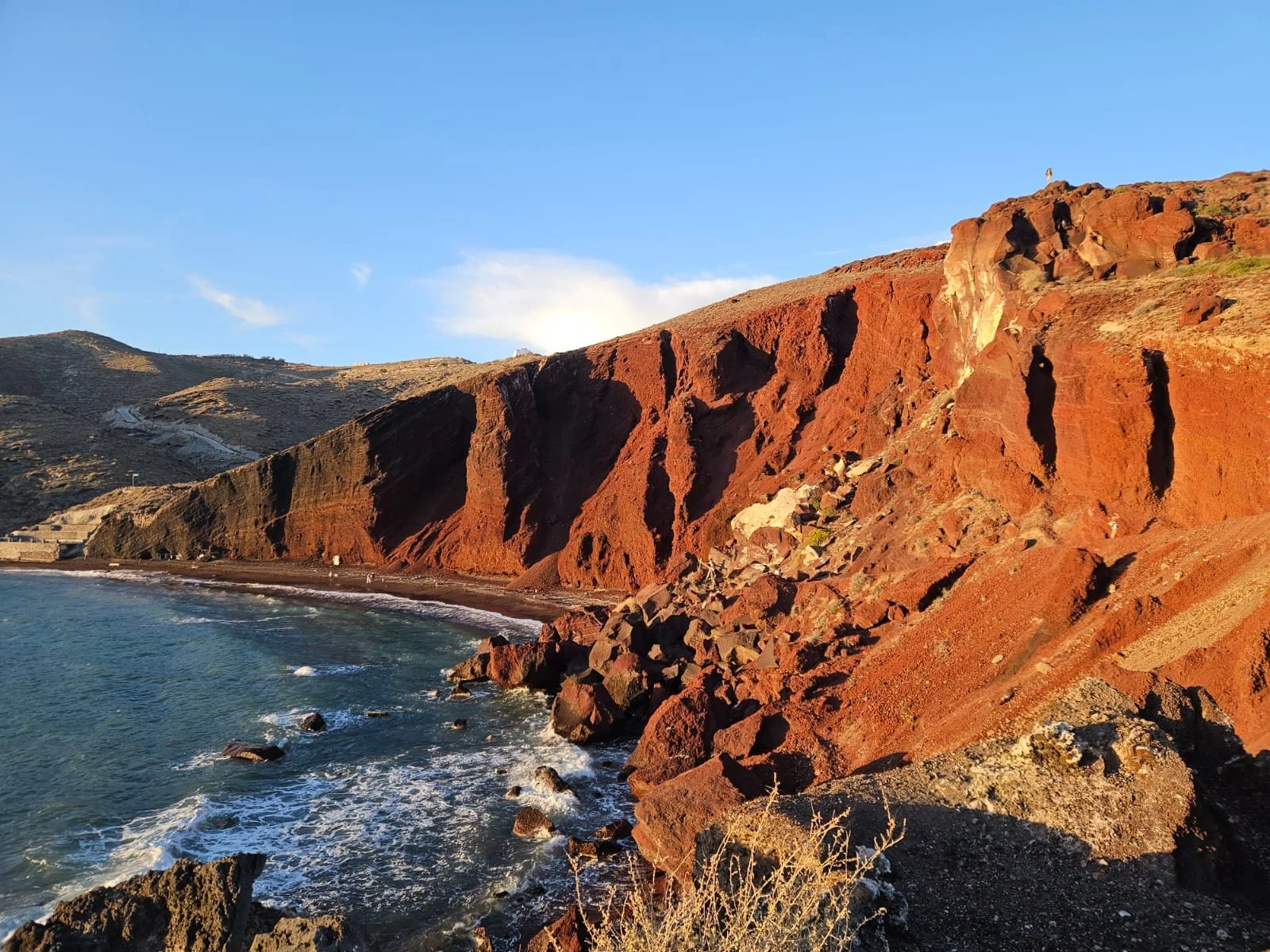
During the Summit, we explored some of Santorini's dualities. As visitors, we enjoyed the extraordinary views over the caldera and the hospitality, food and music of the Cyclades. Alongside that sits another reality: water scarcity, environmental degradation, and the gradual loss of traditions and community ties, all placing increasing strain on the island.
These realities usually remain hidden from visitors, but during this weekend they were deliberately surfaced. The conversations invited us to look at this paradise while asking a more difficult question: what does it mean to live well in a time of crisis? With the emphasis on living, rather than simply surviving.
That question brought us back to our relationship with the landscapes and ecosystems that sustain us. For instance, we explored how regreening can help restore natural water cycles, support local food production and strengthen the resilience of communities and tourism. On an island, though, that relationship does not stop at the shoreline.
Blue Regeneration
Marine and coastal regeneration is an equally important part of building resilience in places like Santorini. Restoring blue ecosystems can bring back abundance, vitality and diversity. It also supports the livelihoods and cultural identity that have developed around the sea.
One of the ways we connected with the Aegean Sea was through the project Posidonia Soundscapes, a journey through sound recordings of Posidonia oceanica. Often described as blue forests, these vast underwater seagrass meadows stretch across the Mediterranean and surround Santorini, providing habitat and nursery grounds for marine life, storing carbon, filtering water, and offering coastal defence.
Worldwide, attention to marine restoration is growing. The Kunming-Montreal Global Biodiversity Framework commits parties to restoring 30% of degraded terrestrial, inland water, and coastal/marine ecosystems by 2030, and the EU has enacted legally binding blue restoration targets under its nature restoration regulation.
Delivery Gaps
However, delivery of these targets is lagging. Marine restoration is primarily held back by a mix of outdated laws, high costs, and ongoing environmental threats.
Conservationists often face slow and expensive permitting rules designed for industrial projects and laws that force them to recreate historical baselines of ecosystems rather than adapt to warming oceans. Underwater restoration is expensive because it requires specialized equipment like boats and divers. On top of high upfront costs, short-term grants rarely cover the multi-year maintenance needed to scale small plots into self-sustaining seascapes. Even when habitats are restored, they are frequently wiped out by unaddressed pollution, overfishing, destructive boat gear, and marine heatwaves. Furthermore, a reluctance to share failed methods slows down industry learning and progress.
Funding Restoration
Funding is the other big constraint. Global spending on ocean protection and marine restoration is estimated at $1.8 billion per year, falling short of the approximately $16 billion needed annually to meet global 2030 targets. Active marine habitat restoration faces an even steeper capital gap, with just 5.7 million hectares of coastal and marine ecosystems under restoration across 46 countries worldwide and single habitats like seagrass meadows requiring $28 billion a year alone by 2030.
Sustainable Development Goal 14 (Life Below Water) remains the least funded of the UN Sustainable Development Goals.
On top of the need for significantly more capital to flow to our oceans, it will take better ways of managing the operational, regulatory and ecological risks attached to putting that capital to work.
Insurance for Unlocking Finance
Innovative financing mechanisms are being applied to channel more capital into marine restoration, from blue bonds and debt-for-nature swaps to payments for ecosystem services, blue carbon credits and biodiversity contributions. As these structures develop, insurance has an important role to play in managing risks and increasing confidence in transactions.
In the blue space, this could look like:
Protecting finance. For financial structures such as debt-for-nature swaps, insurance can protect the underlying conservation projects, natural assets and financial obligations through restoration, replacement and non-payment cover, reducing the risk that physical or financial shocks undermine agreed conservation outcomes.
Protecting blue carbon and biodiversity markets. Carbon and biodiversity insurance can protect against credit or unit non-delivery, invalidation, replacement costs and underlying habitat or project failure, helping developers, buyers and investors manage contractual and financial exposure.
Supporting blue bonds. Credit/non-payment insurance and, where relevant, political risk cover can protect investors against specific repayment and counterparty risks, helping strengthen the risk profile and investability of nature-linked transactions.
Most importantly, these can solutions work in tandem with insurance of the physical habitats, natural assets and restoration projects, providing funding to restore them following damage or failure. Parametric insurance for coral reefs, for example, can provide rapid funding following severe weather events so restoration teams can respond quickly.
Carrying the Hearth Forward
So, what does it mean to live well in a time of crisis?
The Hearth Summit reminded us that it begins with connecting to our environment with curiosity, patience and care.
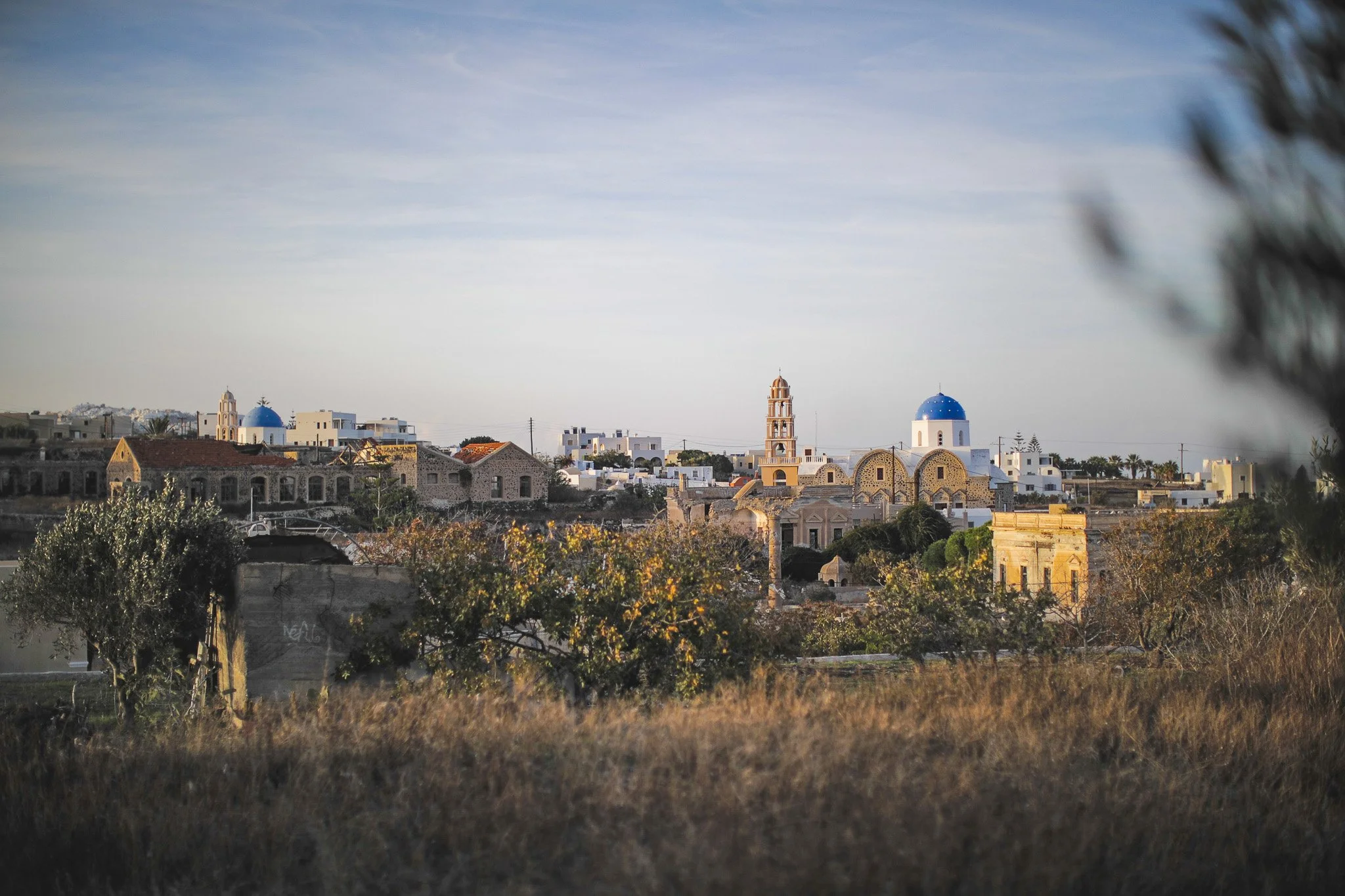
Visiting places like Santorini and speaking with the people working to protect and restore nature gives us a deeper understanding of the complex environments they operate in, the realities they face and where insurance and risk expertise can play a useful role. Santorini also showed that living well means looking beyond the shoreline to the other 70% of the earth's surface, and caring for our marine environment.
Whether you are developing a marine restoration project, investing in the blue economy, or building the financial structures that allow these activities to scale, there will be risks to navigate. As a specialist insurance platform focused solely on nature, we can help you understand those risks and find appropriate ways to manage them.
Speak with the team
If your organisation is involved in the development or delivery of a natural capital or nature restoration project, our team of experts can help you understand how risk transfer and nature insurance fits within your wider risk management strategy.